Pulsatile tinnitus is a unique and often concerning condition where individuals perceive a rhythmic noise in their ears that syncs with their heartbeat. Unlike the more common ringing or buzzing associated with standard tinnitus, this form creates a pulsing sensation that can feel like an internal drumbeat.
In this comprehensive guide, we’ll explore what pulsatile tinnitus entails, its potential triggers, how it’s identified, and effective management strategies to help you regain peace and quiet.
What Is Pulsatile Tinnitus?
At its core, pulsatile tinnitus refers to the perception of a rhythmic sound in one or both ears that aligns with your heartbeat. Often described as a whooshing, thumping, or throbbing noise, it’s distinct from non-pulsatile tinnitus, which typically involves constant high-pitched ringing without a physical origin. This rhythmic quality stems from changes in blood flow near the ear structures, making the sound vascular in nature.
Experts classify it as “objective” tinnitus in some cases, meaning a healthcare provider might detect the sound using a stethoscope placed near your ear or neck. This sets it apart from subjective tinnitus, which only the individual experiences. While it can occur at any age, it’s more prevalent among those with certain vascular or systemic health conditions. Understanding this difference is crucial because pulsatile tinnitus often points to an underlying issue that, once addressed, can resolve the symptom entirely.

Common Symptoms of Pulsatile Tinnitus
The hallmark symptom is a steady, rhythmic noise that matches your pulse rate—it speeds up during exercise or stress and slows when you’re relaxed. Many describe it as a “whooshing” like ocean waves or a “thumping” akin to a heartbeat echoing in the head. This can occur in one ear (unilateral) or both (bilateral), and it may be constant or intermittent.
- Increased noticeability at night or in quiet environments, as external noises don’t mask it.
- Distraction during daily activities, leading to difficulty concentrating or sleeping.
- Accompanying headaches, vision changes, or dizziness if linked to conditions like high intracranial pressure.
- A sensation of fullness in the ear or sensitivity to sounds.
In severe cases, the intensity can become debilitating, affecting mental health and quality of life. Someone with an overactive thyroid might notice the pulsing intensifies with heart palpitations, while others find it worsens with positional changes, like lying down.
If these symptoms sound familiar, tracking their patterns—such as timing, triggers, and severity—can be helpful when consulting a doctor.
Potential Causes Behind the Pulsing Sound
Pulsatile tinnitus isn’t random; it usually arises from disruptions in blood flow or heightened awareness of internal sounds. Healthcare professionals categorize causes into vascular (related to blood vessels) and non-vascular types, with vascular being the most common.
- Irregular Blood Vessels: Kinks, narrowings, or malformations in arteries or veins near the ear, such as arteriovenous malformations (AVMs) or a narrowed carotid artery, can create turbulent flow, amplifying noise.
- High Blood Pressure (Hypertension): Elevated pressure forces blood through vessels more forcefully, making the pulse audible. Factors like stress, caffeine, or alcohol can exacerbate this.
- Atherosclerosis: Buildup of plaque in arteries hardens them, causing uneven blood flow that’s louder in the ears.
- Anemia or Thyroid Issues: Conditions like severe anemia reduce blood oxygen, speeding up flow, while an overactive thyroid (hyperthyroidism) increases heart rate and circulation.
- Tumors or Growths: Benign tumors in the head or neck, such as glomus tumors, can press on vessels, altering flow.
- Idiopathic Intracranial Hypertension (IIH): Increased pressure in the brain’s fluid, often in overweight women, leads to pulsing sounds along with headaches and vision problems.
- Ear-Related Problems: Conductive hearing loss from a perforated eardrum or fluid buildup (otitis media) can heighten internal sound awareness.
Less commonly, non-vascular causes like muscle spasms in the middle ear (myoclonus) or pregnancy-related changes in blood volume play a role. Identifying the root cause is key, as up to 70% of cases have a treatable origin.
When Should You See a Doctor?
Don’t ignore pulsatile tinnitus, as it could signal a serious health concern. Seek medical attention promptly if the pulsing starts suddenly, worsens, or is accompanied by symptoms like severe headaches, vision blurring, dizziness, or hearing loss. It’s especially urgent if it’s in one ear only, as this might indicate a vascular issue or tumor.
Even if mild, consulting an ear, nose, and throat specialist (otolaryngologist) early can prevent complications. Remember, while some cases resolve spontaneously, a professional evaluation ensures nothing critical is overlooked.
How Is Pulsatile Tinnitus Diagnosed?
Diagnosis begins with a detailed medical history and physical exam. Your doctor will ask about the sound’s characteristics, duration, and any triggers, while checking for related conditions like hypertension or anemia.
Diagnostic steps include:
- Hearing Tests: Audiometry to assess hearing loss and tympanometry to evaluate middle ear function.
- Physical Examination: Listening for bruits (abnormal sounds) in the neck or head with a stethoscope, and checking eye pressure for signs of IIH.
- Imaging Scans: MRI or CT angiography to visualize blood vessels and detect abnormalities like stenoses or tumors.
- Blood Tests: To rule out anemia, thyroid dysfunction, or other systemic issues.
- Advanced Tests: Ultrasound or Doppler studies for blood flow, or lumbar puncture if IIH is suspected.

Treatment Options for Pulsatile Tinnitus
The good news is that treating the underlying cause frequently eliminates the tinnitus. Options vary based on the diagnosis:
- Medications: For hypertension, blood pressure drugs; for anemia, iron supplements or transfusions; for thyroid issues, hormone regulators.
- Surgical Interventions: Repairing narrowed vessels, removing tumors, or stenting for vascular malformations.
- Sound Therapy and Masking: White noise machines, hearing aids with built-in sound generators, or apps to drown out the pulsing.
- Cognitive Behavioral Therapy (CBT): Helps manage anxiety and retrain the brain to ignore the sound.
- Lifestyle Changes: Weight loss for IIH, reducing caffeine and salt intake, or relaxation techniques like meditation to lower blood pressure.
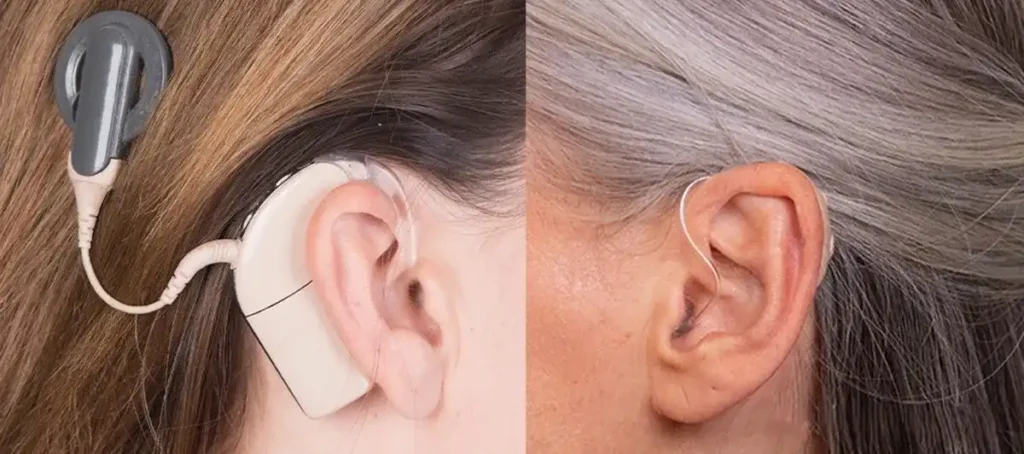
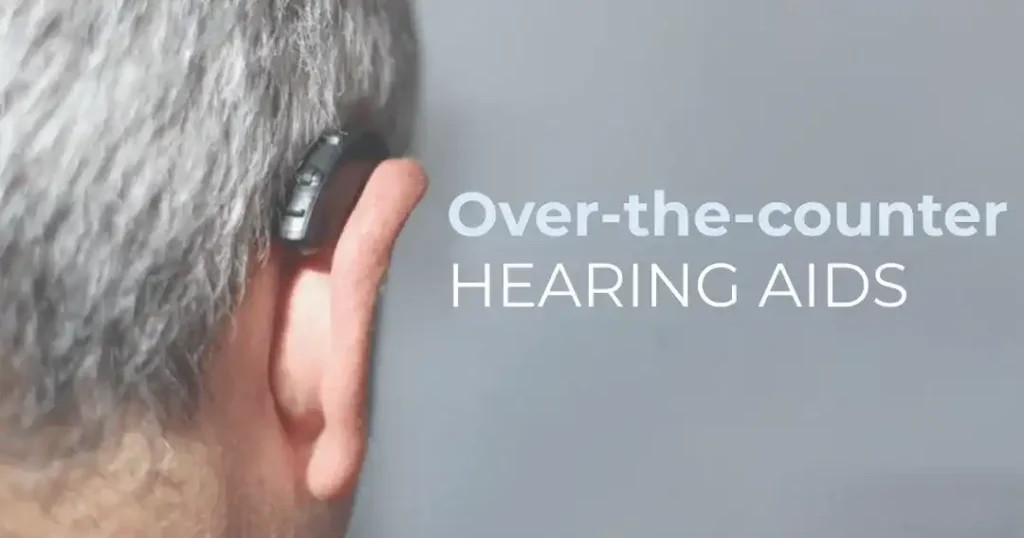
- Hearing aids for tinnitus: Hearing aids can effectively relieve tinnitus, especially considering that most people with tinnitus actually have underlying hearing loss, which can amplify the tinnitus. Hearing aids allow you to hear the sounds you want to hear (instead of the tinnitus) and often have masking features to help mask the tinnitus.
In cases where no cause is found (idiopathic), symptom management focuses on improving quality of life. Ongoing research into neuromodulation and advanced imaging promises even better outcomes.
Pulsatile tinnitus tips and prevention:
While waiting for treatment or if symptoms persist, adopt strategies to cope:
- Create a soothing sleep environment with fans or soft music.
- Practice stress reduction through yoga or deep breathing.
- Protect your hearing from loud noises to avoid worsening any related loss.
Prevention isn’t always possible, but maintaining heart health—through regular exercise, a balanced diet, and blood pressure monitoring—can reduce risks. Avoiding ototoxic medications and managing chronic conditions like diabetes also helps.
Pulsatile Tinnitus Summary
Pulsatile tinnitus, though rare, serves as an important signal from your body. By understanding its vascular roots and seeking timely care, most individuals achieve significant relief or complete resolution.
If you’re experiencing this, consult a healthcare professional to uncover the cause and explore personalized solutions.