Tinnitus, commonly known as ringing in the ears, is a widespread auditory issue that affects millions worldwide. It manifests as phantom noises like buzzing, humming, roaring, or clicking, without any external sound source. While it often impacts both ears, unilateral tinnitus—experienced in just one ear—can be particularly puzzling and concerning for those affected. According to data from the National Institute on Deafness and Other Communication Disorders (NIDCD), tinnitus impacts between 10% and 25% of adults, with unilateral cases being less frequent but not uncommon.
This condition can fluctuate in intensity, appearing intermittently or persisting chronically. For many, it’s tied to underlying factors like hearing impairment or exposure to loud noises. Understanding why tinnitus occurs in one ear and exploring treatment options is crucial for regaining quality of life.
In this comprehensive guide, we’ll delve into the reasons behind unilateral tinnitus, when it’s a red flag, and practical steps for management, drawing on expert insights and recent research.
Is Unilateral Tinnitus Normal?
Absolutely, experiencing tinnitus in one ear is within the realm of normalcy, though it’s rarer than bilateral (both ears) tinnitus. Experts emphasize that it’s not automatically a cause for alarm. “While tinnitus affecting both ears is more prevalent, it’s quite common for the sound to seem louder or more prominent in one ear,” explains Dr. Allison King, AuD, an audiologist at Palmetto Family Hearing Center in Waxhaw, North Carolina.
This uneven perception is often termed asymmetric tinnitus. A significant 2025 study involving veterans revealed that approximately 54% reported bilateral tinnitus, 35% asymmetric, and 11% strictly unilateral. These statistics highlight that while one-sided tinnitus might feel isolating, it’s a shared experience for many. Factors like age, occupation (e.g., musicians or construction workers exposed to noise), and overall health play roles in its occurrence.
[row class=”rowcss”][column size=”1/2″ center=”no” class=”alignself”]It’s worth noting that what feels like one-ear tinnitus might actually involve both ears subtly. As Dr. King points out, “Tinnitus originates in the brain’s cortex, even if it’s perceived in the ears. Often, the sound is present bilaterally but more noticeable on one side due to individual brain processing.” This neurological aspect underscores the importance of professional evaluation to differentiate true unilateral cases.[/column] [column size=”1/2″ center=”no” class=”alignself”] [/column][/row]
Common Causes of Tinnitus in One Ear and Their Treatments
Unilateral tinnitus frequently stems from issues localized to one ear or related structures. Identifying the root cause is key to effective treatment, which can range from simple interventions to advanced medical procedures. Below, we explore the primary triggers, expanded with insights from medical sources, along with tailored management approaches.
Unilateral Hearing Loss
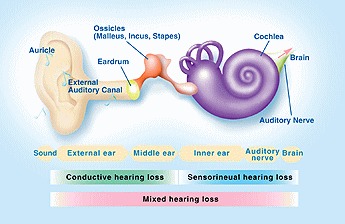
One of the leading culprits is hearing loss confined to a single ear, also called single-sided deafness if profound. This can be congenital or acquired through factors like infections, trauma, or aging. Tinnitus often emerges as the brain compensates for reduced auditory input, creating phantom sounds.
Treatment options focus on restoring or amplifying sound:
- Standard hearing aids: Fitted to the affected ear to boost external noises and mask tinnitus.
- CROS (Contralateral Routing of Signals) systems: Ideal for severe cases, where a microphone on the impaired ear transmits sound to a device on the good ear.
- Bone-anchored hearing aids (BAHA): Surgically implanted devices that vibrate the skull to conduct sound, bypassing the outer/middle ear.
- Cochlear implants: For profound deafness, these electronic devices stimulate the auditory nerve directly, potentially alleviating tinnitus as a bonus.
Early intervention is vital, as untreated hearing loss can exacerbate tinnitus over time.
Acoustic Neuroma (Vestibular Schwannoma)
This benign tumor grows on the vestibulocochlear nerve, which handles hearing and balance. Though rare, it can cause unilateral tinnitus, progressive hearing loss, vertigo, and facial numbness. Symptoms arise from nerve compression.
Management varies by tumor size and symptoms:
- Small, asymptomatic tumors are often monitored with regular MRI scans.
- Larger or symptomatic ones may require surgical removal or stereotactic radiosurgery (focused radiation) to shrink the growth without invasive procedures.
Post-treatment, tinnitus may persist or resolve, depending on nerve damage.
Earwax Impaction
Excessive or hardened earwax (cerumen) buildup can block the ear canal, leading to muffled hearing, discomfort, and tinnitus in the affected ear. This is especially common in individuals using cotton swabs, which push wax deeper.
Professional removal is recommended:
- Irrigation with warm water or saline.
- Manual extraction using specialized tools.
- Avoid DIY methods like ear candling, which can worsen the issue or cause burns.
Prevention includes gentle cleaning and using over-the-counter softening drops sparingly.
Middle Ear Infections (Otitis Media)
Inflammation or infection behind the eardrum can cause swelling, fluid buildup, and unilateral tinnitus, often accompanied by pain, fever, and temporary hearing loss. Common in children but affects adults too, especially post-cold or allergy.
Treatment typically involves:
- Antibiotics if bacterial.
- Pain relievers and decongestants for symptom relief.
- In chronic cases, surgical insertion of ear tubes to drain fluid.
Otosclerosis
This hereditary condition involves abnormal bone growth in the middle ear, stiffening the stapes bone and impeding sound transmission. It leads to gradual hearing loss and tinnitus, often starting in one ear.
Options include:
- Hearing aids for mild to moderate cases.
- Stapedectomy surgery, where the stapes is replaced with a prosthesis, offering high success rates in restoring hearing and reducing tinnitus.
Head or Ear Trauma
Injuries from accidents, blasts, or sports can damage ear structures or auditory nerves, triggering one-sided tinnitus. Acoustic trauma from loud noises is a prime example.
Healing-focused treatments:
- Rest and protective measures during recovery.
- Physical therapy for associated neck or jaw issues.
- In severe cases, reconstructive surgery.
Additional Causes to Consider
Beyond these, unilateral tinnitus might link to Meniere’s disease (inner ear disorder causing vertigo and fluid buildup), medications (ototoxic drugs like certain antibiotics or chemotherapy), or even vascular issues like high blood pressure. Rarely, it could signal superior semicircular canal dehiscence or chronic sinus infections.
Key Considerations for Unilateral Tinnitus
[row class=”rowcss”] [column size=”1/2″ center=”no” class=”alignself”] [/column][column size=”1/2″ center=”no” class=”alignself”]Not all cases are straightforward. Sometimes, perceived one-ear tinnitus is actually bilateral but asymmetric due to brain interpretation. Lifestyle factors like caffeine intake, stress, or salt consumption can amplify symptoms. Always consult a professional for accurate diagnosis, as self-assessment might miss subtle bilateral involvement.[/column][/row]
When Is Unilateral Tinnitus a Medical Emergency?
While usually benign, certain scenarios demand immediate attention. Sudden-onset tinnitus, especially with hearing loss or dizziness, could indicate a stroke, tumor, or sudden sensorineural hearing loss (SSNHL)—a treatable emergency if addressed within 72 hours.
Pulsatile tinnitus, where you hear rhythmic whooshing or heartbeat sounds, may point to vascular problems like aneurysms or hypertension—seek prompt evaluation. Other red flags: facial weakness, severe vertigo, or ear discharge.
See an ENT specialist or audiologist if symptoms persist beyond a week or disrupt daily life.
The Strong Connection Between Hearing Loss and Tinnitus
Research from the American Tinnitus Association (ATA) indicates that about 90% of tinnitus sufferers have some hearing loss. This link arises because damaged hair cells in the inner ear send erratic signals to the brain, interpreted as noise.
Gradual hearing decline might go unnoticed initially—struggling in noisy environments or asking for repetitions are early signs. Regular hearing tests are advisable, especially for those over 50 or in noisy professions.
Can Hearing Aids Provide Relief for Unilateral Tinnitus?
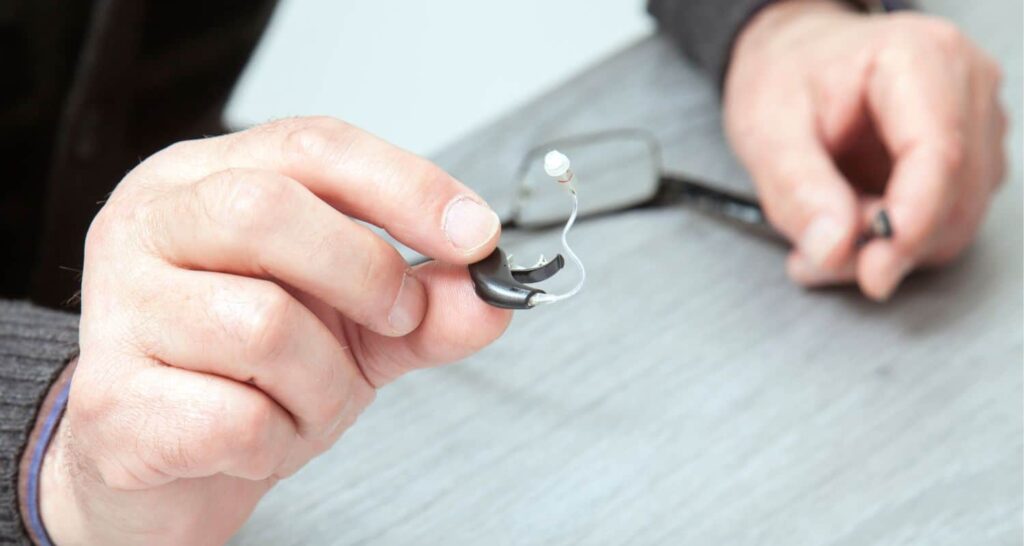
Yes, hearing aids are a frontline solution for many. They amplify ambient sounds, making tinnitus less dominant, and often include built-in maskers like white noise or ocean waves. Studies show significant improvement in unilateral cases with sensorineural hearing loss.
Modern devices are discreet, Bluetooth-enabled, and customizable via apps for optimal tinnitus relief.

Should You Use One or Two Hearing Aids?
Even if tinnitus seems one-sided, bilateral amplification is generally recommended if hearing loss exists in both ears. “Treat the hearing loss where it’s present, regardless of tinnitus perception,” advises Dr. King. This binaural approach enhances spatial awareness and overall sound processing. Exceptions include true single-sided deafness, where CROS systems suffice.
Managing Tinnitus When No Clear Cause Is Identified
In idiopathic cases (no known cause), focus shifts to symptom management rather than cure. Effective strategies include:
- Sound Therapy: Using apps or devices for background noise to distract from tinnitus.
- Cognitive Behavioral Therapy (CBT): Helps reframe negative thoughts about tinnitus, reducing distress.
- Mindfulness and Relaxation: Techniques like meditation, yoga, or deep breathing to lower stress, a known amplifier.
- Habituation Programs: Gradual exposure to help the brain ignore the sound, often via Tinnitus Retraining Therapy (TRT).
- Lifestyle Adjustments: Limiting caffeine, exercising regularly, and ensuring good sleep hygiene.
- Alternative Aids: Melatonin for sleep issues or biofeedback for stress control.
If tinnitus affects mental health, consider support groups or counseling. Always start with a thorough evaluation by a hearing specialist, who may conduct audiograms, tympanometry, or tinnitus matching tests.
Summary
Unilateral tinnitus, while challenging, is manageable with proper diagnosis and tailored interventions. By addressing underlying causes and employing coping strategies, many find substantial relief. If you’re experiencing symptoms, consult a healthcare provider promptly to chart the best path forward.