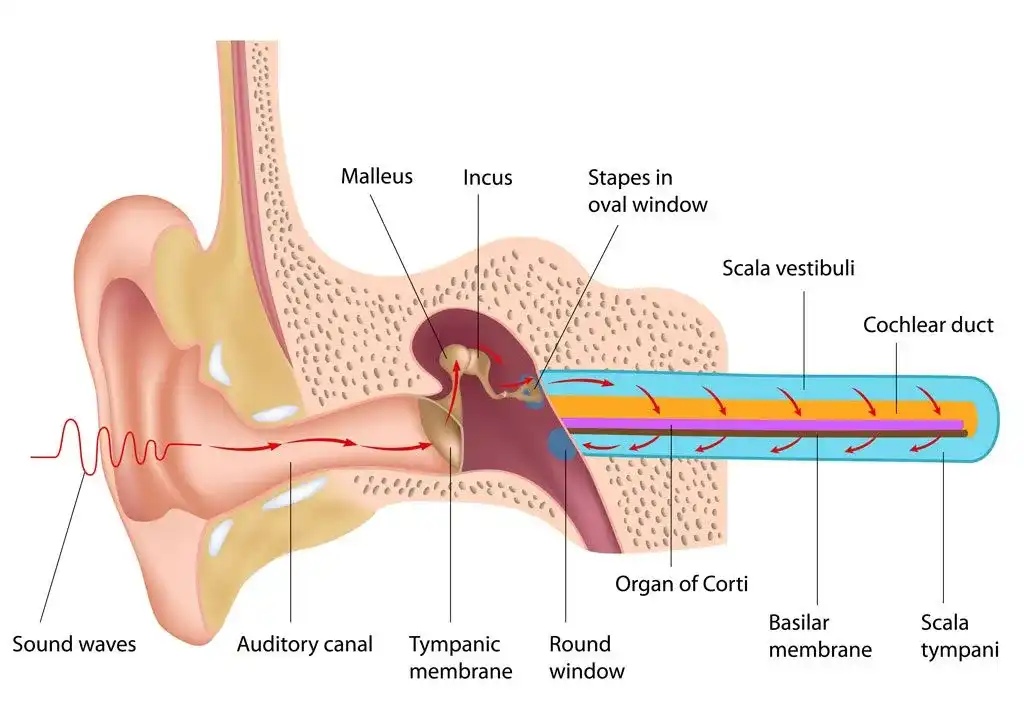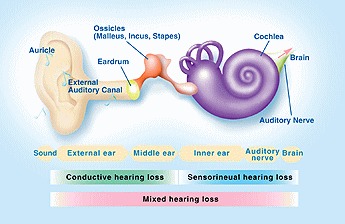
Hearing loss can have a profound effect on your quality of life, making it harder to communicate, enjoy conversations, or fully engage with the world around you. Thankfully, advances in hearing technology have made it possible for many people to regain access to sound through devices such as hearing aids and cochlear implants. While both are used to address hearing loss, they work in very different ways and are suitable for different types of hearing conditions.
In this comprehensive guide, we’ll explore what hearing aids and cochlear implants are, how they work, their key differences, and how to determine which option might be right for you—always in consultation with a qualified audiologist or hearing specialist.
What are hearing aids?
A hearing aid is a small electronic device that uses amplification to make sounds louder and easier to hear. They are typically worn in or behind the ear and are ideal for people with mild to severe hearing loss who still have some inner ear function.
A standard hearing aid consists of three main components:
- Microphone – captures sound waves from the surrounding environment.
- Amplifier – boosts the sound signal.
- Speaker (receiver) – sends the amplified sound directly into the ear canal.

Hearing aids do not require surgery and are available in a variety of styles:
- Behind-the-ear (BTE) models
- In-the-ear (ITE) models
- Centralized-in-the-canal (CIC) models

Modern digital hearing aids also offer Bluetooth connectivity, allowing users to stream music, phone calls, and other audio directly from a smartphone or other device. They also come with advanced noise cancellation, making it easier to understand speech even in noisy environments.
What Are Cochlear Implants?
Unlike hearing aids, cochlear implants do not simply amplify sound. Instead, they bypass damaged parts of the inner ear and directly stimulate the auditory nerve with electrical signals. This allows the brain to interpret these signals as sound.
A cochlear implant system has two main parts:
- External component – Worn behind the ear, containing a microphone and sound processor that captures and digitizes sound.
- Internal component – Surgically implanted under the skin and into the cochlea, sending electronic signals to the auditory nerve.

Cochlear implants are generally recommended for people with severe to profound hearing loss who receive little or no benefit from traditional hearing aids. Surgery is performed under general anesthesia and typically takes about two hours. Most patients stay in the hospital for one night and require a period of rehabilitation and auditory training to fully adapt to the new way of hearing.
Key Differences Between Hearing Aids and Cochlear Implants
| Feature | Hearing Aids | Cochlear Implants |
|---|---|---|
| Method of Function | Amplifies sound and delivers it to the ear | Converts sound into electrical signals and sends them to the auditory nerve |
| Surgical Requirement | No surgery needed | Requires surgical implantation |
| Best For | Mild to profound hearing loss with some natural hearing ability | Severe to profound hearing loss with little to no benefit from hearing aids |
| Adaptation Time | Usually quick | Requires auditory rehabilitation |
| Cost & Insurance | Generally less expensive | Higher cost, often covered by insurance for eligible patients |
How to Decide Which Is Right for You
Choosing between a hearing aid and a cochlear implant depends on several factors :
- Degree of hearing loss
- Overall ear health
- Speech recognition ability
- Lifestyle and communication needs
- Willingness to undergo surgery
If you have mild or moderate hearing loss, hearing aids are often the first choice because they are non-invasive, easy to use, and highly customizable. For individuals with severe to profound hearing loss who no longer benefit from hearing aids, cochlear implants may offer a better chance of restoring meaningful hearing.
The Importance of Consulting a Qualified Audiologist
While online resources are helpful for understanding your options, the most important step is a professional hearing evaluation. An audiologist can perform specialized tests, review your medical history, and recommend the most effective solution for your unique needs.
At Spieth, our experienced team specializes in personalized hearing care. Whether you are considering a hearing aid, a cochlear implant, or another solution, we are here to guide you through every step.
📞 Call us today at +86 13959222269 to schedule your consultation and take the first step toward better hearing.
Conclusion
Both hearing aids and cochlear implants can dramatically improve communication and quality of life for people with hearing loss. The right choice depends on your hearing profile, lifestyle, and personal preferences.