Tinnitus is a widespread condition affecting over 50 million Americans, characterized by persistent sounds like ringing, buzzing, or humming in the ears. For many, it disrupts daily life, making it hard to focus or hear clearly.
While there’s no universal cure, hearing aids can significantly alleviate symptoms, especially for those with hearing loss.
This comprehensive guide explores tinnitus, its causes, treatment options, and how to select the best hearing aids to manage it effectively.

What Is Tinnitus?
Tinnitus manifests as perceiving sounds—such as ringing, hissing, buzzing, roaring, or clicking—in one or both ears without an external source. The condition is broadly categorized into two types:
- Subjective Tinnitus: The most common form, where only the individual hears the sounds, originating from internal bodily processes.
- Objective Tinnitus: A rare type where sounds, like blood flow or muscle spasms, can be detected by a healthcare provider during an examination.
Tinnitus symptoms vary widely. For some, the sounds are intermittent, while others experience constant noise that interferes with concentration, sleep, or communication. Approximately 15-20% of people experience tinnitus, with prevalence increasing among older adults due to age-related hearing changes.
Common Causes of Tinnitus
Tinnitus is typically a symptom of an underlying issue rather than a standalone condition. Some frequent causes include:
- Hearing Loss: Age-related hearing decline (presbycusis) or noise-induced damage can trigger tinnitus.
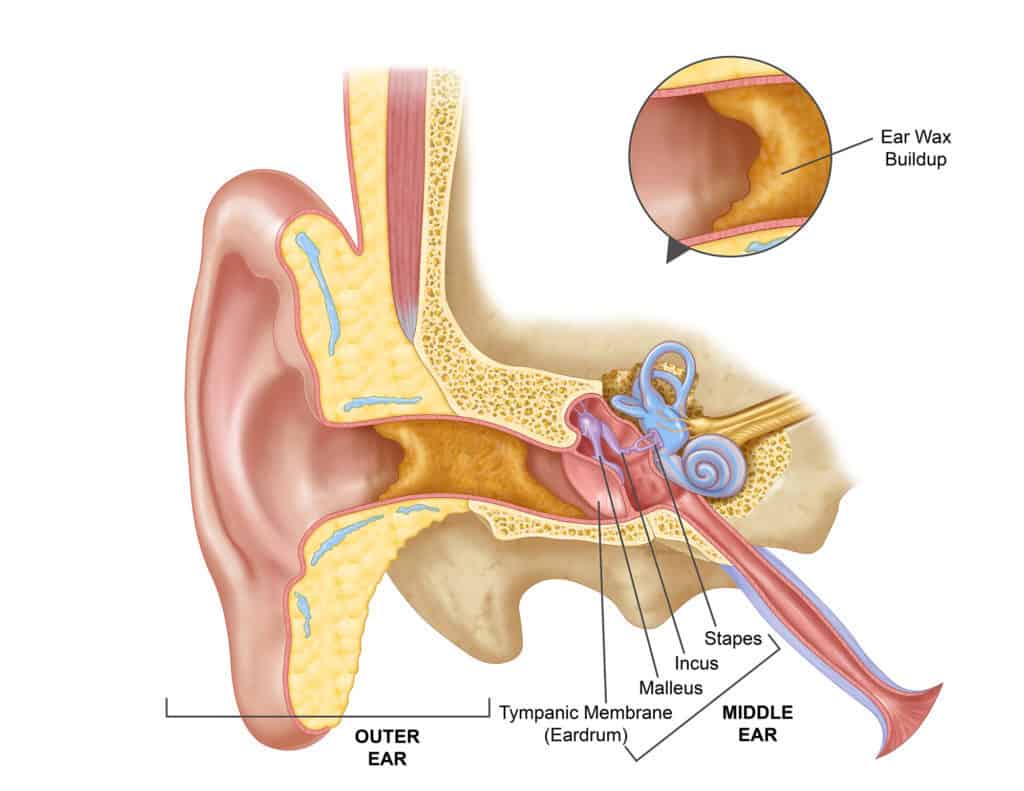
- Ear Conditions: Ear infections, excessive earwax, or blockages in the ear canal may contribute.
- Head or Neck Injuries: Trauma to these areas can affect auditory pathways, leading to tinnitus.
- Medications: Certain drugs, including NSAIDs (e.g., ibuprofen), antibiotics, antidepressants, and chemotherapy agents, list tinnitus as a side effect.
- Chronic Health Conditions: Disorders like diabetes, anemia, thyroid issues, or autoimmune diseases can increase tinnitus risk.
- Lifestyle Factors: Prolonged exposure to loud noises, such as from concerts or heavy machinery, is a leading cause, particularly in younger individuals.
Understanding the root cause is critical for effective management, as tinnitus severity and triggers differ from person to person.
Is Tinnitus Treatable?
While no definitive cure exists for tinnitus, addressing its underlying cause can significantly reduce symptoms. Treatment begins with a thorough medical evaluation to pinpoint contributing factors. Your healthcare provider may recommend:
- Medical History Review: A detailed questionnaire about your health, family history of hearing issues, noise exposure, and medications.
- Physical Ear Examination: To check for blockages, infections, or structural abnormalities.
- Hearing Tests: Audiometry or other tests assess your hearing range and identify specific frequency losses.
- Imaging Scans: MRIs or CT scans may be used to detect internal ear damage or neurological issues.
Based on these findings, treatment options may include:
- Earwax Removal: Clearing blockages can alleviate symptoms.
- Medication Adjustments: Switching or discontinuing medications linked to tinnitus.
- Hearing Aids: For those with hearing loss, hearing aids can amplify external sounds, masking tinnitus.
- Sound Therapy: Devices or apps that play soothing sounds to distract from tinnitus.
- Cognitive Behavioral Therapy (CBT): Helps manage the emotional impact of tinnitus, reducing stress and anxiety, which can worsen symptoms.
Early intervention is key to preventing tinnitus from impacting quality of life.
How Hearing Aids Help with Tinnitus
Hearing aids have been a cornerstone of tinnitus management for over seven decades, particularly for individuals with coexisting hearing loss. By amplifying external sounds, hearing aids make tinnitus less noticeable, allowing users to focus on conversations and ambient noises. Recent advancements have introduced specialized features tailored to tinnitus relief.
Benefits of Hearing Aids for Tinnitus
- Sound Masking: Traditional hearing aids amplify environmental sounds, reducing the prominence of tinnitus.
- Sound Therapy Integration: Modern hearing aids incorporate white noise, nature sounds, or musical tones to distract from tinnitus and promote relaxation.
- Improved Hearing Clarity: For those with hearing loss, hearing aids enhance speech comprehension, reducing the strain of listening in noisy environments.
- Stress Reduction: Calming sound therapy features can lower stress and anxiety, which often exacerbate tinnitus.
Studies indicate that approximately 68% of tinnitus sufferers experience symptom relief with hearing aids, particularly those with low-frequency hearing intact. However, effectiveness depends on individual factors like tinnitus severity and hearing profile.
Choosing the Best Hearing Aids for Tinnitus
Selecting the right hearing aid requires careful consideration of your hearing needs, tinnitus characteristics, and lifestyle. Here are key factors to guide your decision:
1. Assess Your Hearing Profile
Work with an audiologist to determine which sound frequencies you hear well and which are diminished. Tinnitus is often more noticeable in frequency ranges where hearing loss is present. Hearing aids that amplify these specific frequencies can mask tinnitus effectively.
2. Consider Tinnitus Characteristics
- Unilateral or Bilateral: Is tinnitus present in one or both ears? Some hearing aids are designed for single-ear use, while others cater to bilateral tinnitus.
- Sound Type and Frequency: Identify whether your tinnitus produces high-pitched ringing or low-frequency humming, as this affects the type of amplification or sound therapy needed.
3. Evaluate Hearing Aid Features
Modern hearing aids offer advanced technologies to address tinnitus:
- Noise Reduction: Reduces background noise, making conversations clearer and tinnitus less intrusive.
- Directional Microphones: Focus on nearby voices, ideal for social settings.
- Sound Therapy Programs: Some models play randomized, soothing sounds like chimes or ocean waves to prevent the brain from fixating on tinnitus.
- Customizable Settings: Adjustable programs allow users to tailor amplification and sound therapy to their needs.
- Bluetooth Connectivity: Stream music or calming audio directly to the hearing aids for personalized sound therapy.
4. Types of Hearing Aids
Hearing aids come in various styles, each suited to different levels of hearing loss and lifestyle preferences:
- Behind-the-Ear (BTE): Suitable for moderate to severe hearing loss, these are powerful and support advanced tinnitus features.
- In-the-Ear (ITE): Discreet and custom-fitted, ideal for mild to moderate hearing loss.
- Completely-in-Canal (CIC): Nearly invisible, best for mild hearing loss but may have limited tinnitus-specific features.
- Receiver-in-Canal (RIC): Versatile and comfortable, with strong amplification and tinnitus relief options.

5. Consult a Professional
An audiologist can recommend hearing aids based on your audiogram, lifestyle, and budget. They may also suggest a trial period to test different models.
Top Hearing Aid Brands for Tinnitus
Several brands excel in tinnitus management:
- Widex: Known for its Zen Therapy program, which uses fractal tones to provide calming sound therapy.
- Phonak: Offers tinnitus balance programs with customizable noise generators.
- Oticon: Features Tinnitus SoundSupport, delivering a range of relief sounds like white noise or ocean waves.
- Signia: Combines notch therapy, which targets specific tinnitus frequencies, with amplification for hearing loss.
- ReSound: Provides Tinnitus Sound Generator with customizable sound therapy options.
Each brand offers models with varying features, so discuss options with your audiologist to find the best fit.
Conclusion
Tinnitus can be a challenging condition, but with the right approach, its impact can be minimized.
Hearing aids, particularly those with sound therapy and advanced amplification, offer significant relief for many sufferers, especially those with hearing loss.
By working closely with an audiologist, you can identify the best hearing aid to suit your unique needs, improving both your hearing and quality of life.
If you suspect tinnitus, consult a healthcare provider to explore underlying causes and personalized treatment options. With advancements in hearing aid technology and comprehensive management strategies, living well with tinnitus is more achievable than ever.