For both experienced hearing aid wearers and newcomers to auditory support, effectively managing your device’s power source is fundamental for optimal performance. At Hearing Aid Accessory, we recognize the many questions surrounding these small power sources, covering aspects like longevity and proper disposal methods.
This article delivers comprehensive answers to 14 frequently asked questions regarding hearing aid batteries. Gain the crucial knowledge required to keep your devices operational at all times. Let’s explore the solutions!
Question 1: What Determines Hearing Aid Battery Longevity?
A frequent inquiry we encounter concerns the operational duration of hearing aid batteries. While performance varies significantly, most batteries typically function effectively for 3 to 10 days before requiring replacement. Multiple key elements contribute to this range.
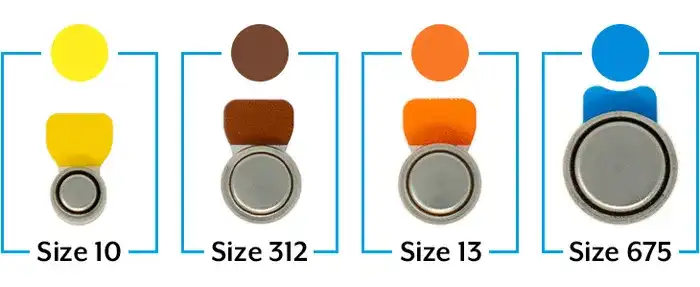
The physical dimensions of the battery directly influence its energy capacity and longevity. Standard sizes and their approximate lifespans include:
- Size 10 (Yellow): Approximately 3 to 7 days
- Size 312 (Brown): Generally 3 to 10 days
- Size 13 (Orange): Typically 6 to 14 days
- Size 675 (Blue): Often 9 to 20 days
Daily hearing aid usage habits also critically affect power consumption:
- Audio Streaming: Utilizing Bluetooth connectivity to stream content from smartphones or other devices consumes significant energy, reducing battery life.
- Volume Levels: Operating hearing aids at consistently higher volume settings demands more power, accelerating battery depletion.
- Environmental Exposure: Factors like elevated humidity, extreme temperature fluctuations, and high altitude can negatively impact battery chemistry and overall performance duration.
Question 2: Is it possible to replace rechargeable hearing aid batteries?
Yes, replacing rechargeable batteries within hearing aids is feasible. However, this procedure typically requires the expertise of a qualified hearing healthcare provider or technician. Strict adherence to the manufacturer’s specific replacement recommendations is crucial. Following these guidelines helps preserve optimal device functionality and prevents potential performance issues.
Question 3: Which 312 hearing aid battery brands offer the longest usage time?
Performance duration for 312-sized batteries differs across manufacturers. Based on user experience and industry testing, brands recognized for extended battery endurance include Energizer, Rayovac, and Duracell. These manufacturers are consistently among the top performers for sustained power output in this common hearing aid battery size.
Question 4: Battery-Powered vs. Rechargeable Hearing Aids: Which Option Suits You Best?
Selecting between traditional battery-operated hearing aids and modern rechargeable models involves evaluating individual needs and daily routines. Units utilizing disposable batteries offer the advantage of rapid swaps when power depletes. Conversely, rechargeable devices present a more eco-conscious solution, often proving more economical in the long term due to eliminating frequent battery purchases.
Question 5: What’s the Typical Lifespan of Rechargeable Hearing Aid Batteries?
A single charge for most rechargeable hearing aid batteries reliably delivers power throughout an entire day, typically spanning 16 to 20 hours of continuous use. The overall functional lifespan of these batteries before requiring replacement generally ranges from one to three years, influenced significantly by the specific battery technology and individual usage patterns. Utilizing a dedicated battery monitoring device is recommended to accurately check charge status and confirm optimal performance. Explore our current selection of testers below.
Question 6: Step-by-Step Guide: Replacing Hearing Aid Batteries
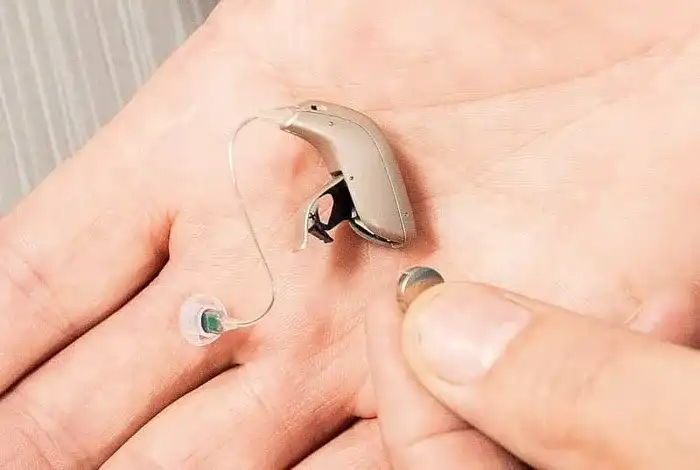
Changing the batteries in your hearing aids is straightforward. Follow this simple procedure:
- Locate and carefully open the battery compartment on your device.
- Remove the depleted battery and dispose of it following appropriate environmental guidelines.
- Insert a fresh battery, paying close attention to align the positive (+) terminal correctly (usually facing upwards).
- Securely close the battery compartment door until it clicks into place. If any uncertainty arises during this process, consulting your audiologist or the device manual ensures correct handling.

Question 7: What is the correct way to discard hearing aid batteries?
Due to their specific chemical composition, hearing aid batteries demand careful disposal. To ensure environmental protection and safe material management, utilize dedicated recycling drop-off locations. These are commonly available at pharmacies, electronics retailers, and specialized recycling facilities. Never dispose of them with regular household waste.
Question 8: Why might one hearing aid battery deplete faster than its pair?
Several factors can cause uneven battery drain between hearing aids. Variations in daily usage patterns, individual device settings (like volume or program usage), or minor inherent differences during battery manufacturing can contribute. Implementing a routine of periodically swapping the batteries between devices can promote more balanced consumption.
Question 9: Do hearing aid batteries have a shelf life?
Absolutely. Hearing aid batteries possess a finite shelf life, clearly indicated by an expiration date on their packaging. Verifying this date prior to use is crucial, as batteries past their expiration often deliver diminished power output and may fail entirely. Store unused batteries in cool, dry environments to preserve lifespan.
Question 10: Does using Bluetooth functionality impact hearing aid battery longevity?
Yes, utilizing Bluetooth connectivity does consume additional power within hearing aids. Maintaining a stable wireless link and streaming audio are energy-intensive processes. Consequently, frequent Bluetooth use, such as for phone calls or media streaming, will noticeably accelerate battery depletion compared to standard amplification functions.
Question 11: Can hearing aid batteries be processed for recycling?
Yes, hearing aid batteries are fully recyclable. Responsible recycling is essential. They must be taken to authorized collection points or facilities equipped to handle battery recycling. This ensures the safe recovery of materials and prevents harmful substances from entering landfills, aligning with environmental best.
Question 12: Where should I store hearing aid batteries during air travel?
For optimal safety, always place your hearing aid batteries inside your carry-on bag when flying. Storing them in checked baggage exposes them to potentially damaging temperature extremes and pressure changes within the aircraft’s hold.
Question 13: How can I tell when my hearing aid battery requires changing?
Recognizing these common indicators helps ensure your device functions properly:
- Faint or Unclear Audio: Noticeably reduced volume or distorted sound quality often signals diminishing battery power.
- Recurring Alert Tones: Most devices emit periodic warning beeps when battery levels become critically low.
- Sporadic Shutdowns: If your hearing aid powers off unexpectedly and restarts intermittently, a failing battery is the probable cause.
- Complete Device Failure: An unresponsive hearing aid typically means the battery is fully depleted. Prompt replacement upon noticing these signs prevents unexpected hearing aid interruptions.
Question 14: What’s the method for accessing the hearing aid battery compartment?
Opening the battery compartment is straightforward. Identify the small release tab or indentation on your device’s housing. Apply light pressure to slide or lift this mechanism, revealing the battery slot for simple replacement. You’re all set!
Conclusion
Understanding hearing aid battery fundamentals empowers you to maximize your device’s performance during daily use. We trust this guide has addressed your key concerns and offered practical advice for effective hearing aid maintenance.
To guarantee your hearing aids remain operational when needed, explore our selection of premium-quality batteries. Visit our shop today to discover the ideal power solution for your specific requirements, ensuring a seamless auditory experience.