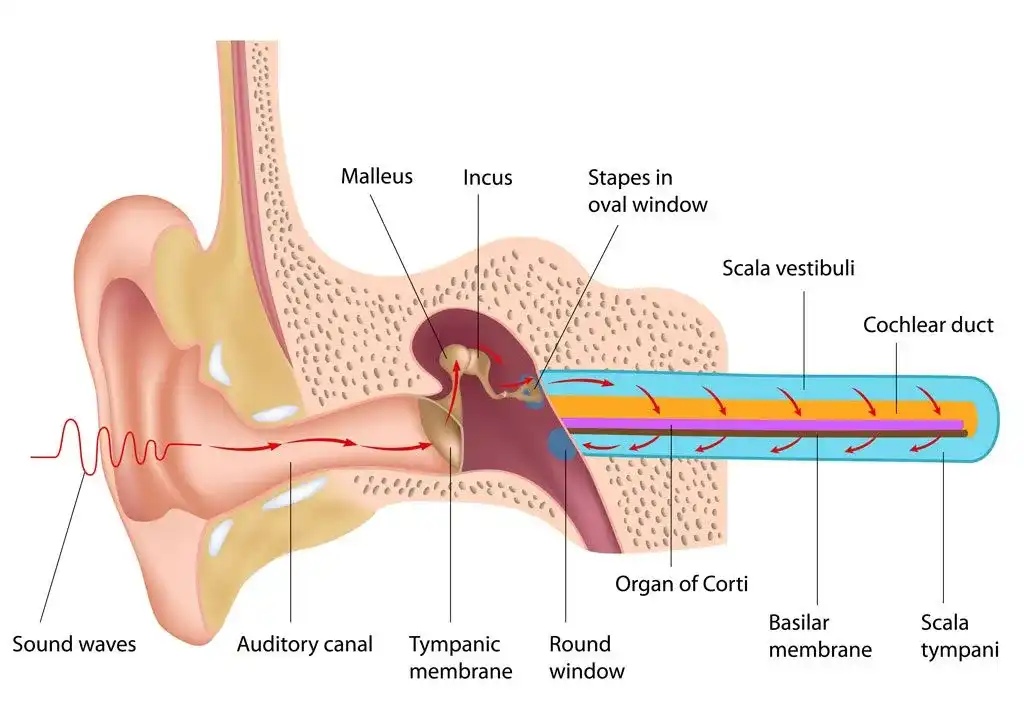
Many people rely on hearing aids to improve their hearing, but a key component of the device, the hearing aid dome, is often overlooked. If the dome doesn’t fit properly or is not properly maintained, users may experience distorted sound, noisy feedback, or discomfort, which can diminish the overall effectiveness of the hearing aid.
Fortunately, choosing the right dome can dramatically improve sound clarity, wearer comfort, and device longevity, allowing users to regain a confident hearing experience. This guide will delve into the nuts and bolts of hearing aid domes to help you make an informed decision.
1. What’s a Hearing Aid Dome Used For?
The hearing aid dome is a small but vital part of the hearing aid system that is inserted directly into the ear canal and is responsible for the efficient transmission of amplified sound to the eardrum. Its main function is to act as a “bridge” for sound, preventing sound leakage and feedback noise.
When the hearing aid processes external sound, the dome ensures that the sound waves are precisely directed to the inner ear, avoiding echoes or whistling in the ear canal. This is especially critical for users with high-frequency hearing loss, where feedback problems can interfere with speech intelligibility.

In addition, domes provide a comfortable physical barrier that reduces the risk of earwax clogging the hearing aid speaker, thereby extending the life of the device. Many first-time users underestimate the usefulness of domes, but professional audiologists emphasize that a properly fitted dome can improve overall sound quality by more than 30%, allowing for more natural conversations and richer music.
2. What Are the Different Types of Hearing Aid Domes?
There are different types of hearing aid domes, each designed for a specific hearing need and ear canal structure, and choosing the wrong type can reduce effectiveness. The most common types include open dome, closed dome and power dome.
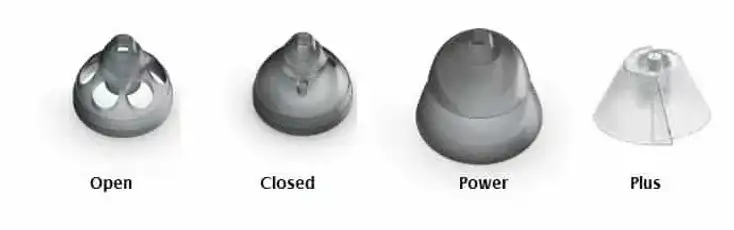
- The open dome is the popular choice, with its mesh structure allowing natural sounds to flow into the ear canal while amplifying missing frequencies. This is particularly suitable for users with mild to moderate high-frequency hearing loss, as it reduces the “plugging effect” – the uncomfortable feeling of having your ears plugged.
- The closed dome, on the other hand, provides a more complete seal, almost completely blocking the ear canal to enhance low-frequency sound amplification. It is suitable for users with moderate to severe hearing loss, especially those who need powerful low-frequency support, such as when listening to music or bass conversations.
- The Power Dome is a variant designed for severe loss that combines a closed seal with additional ventilation holes to equalize pressure and reduce discomfort. It is often used in high-power hearing aids to provide greater sound output without sacrificing comfort.
There are also custom domes (custom dome), which are made by audiologists based on a scan of the ear canal to ensure a perfect fit, but are more costly.
Other types, such as double dome and wax guard dome, are also worth considering. The double dome design adds a protective cover over the single dome to enhance durability and sound isolation, while the wax guard dome has a built-in filter that automatically blocks earwax and reduces the frequency of maintenance.
When choosing, be sure to consult with an audiologist, combining hearing test results with your personal lifestyle – for example, sports enthusiasts may prefer an open type, while office workers may do better with a closed type. Remember, the wrong type can lead to distorted sound or discomfort, so professional evaluation is key.
3. How Do I Know if My Hearing Aid Domes Fit Properly?
To determine if your hearing aid domes fit properly, you need to look at a few key indicators: comfort, sound quality and feedback control.
1. Comfort is the basic criterion – the dome should fit gently into the ear canal without pressure or pain. Once worn, perform daily activities such as chewing or shaking your head to check for looseness or displacement. If you experience persistent itching, redness or discomfort in the ear canal, the dome may be too small or the material may be allergic, and should be replaced immediately.
Professional audiologists recommend the “30-minute test”: record the sensation when you first wear the device, and if after 30 minutes there is still a noticeable foreign body sensation, the fit may be improper. Also, look at the skin of the ear canal – a healthy fit should be free of abrasions or discharge, which can increase the risk of infection.
2. Sound quality is another core indicator. A well-fitting dome provides clear, natural sound without distortion or a hollow feel. To test, listen to speech or music in a quiet environment and note any echoes, buzzing or volume fluctuations. If high-frequency sounds are harsh or low frequencies are muffled, the dome may not be sealed properly.
3. Feedback noise (e.g. whistling) is a common warning sign – sound leakage can trigger hearing aid feedback when the dome is not fully sealed. A simple self-test: gently cover your ears with your hand; if the noise disappears, it indicates a fit problem. Finally, functional testing involves evaluating speech recognition in a noisy place, such as a restaurant.
If it is difficult to hear conversations, the dome may need to be adjusted. Remember, regular self-testing combined with a professional hearing exam (every 6 months) will ensure a long-term fit.
4. How Do I Change and Replace My Hearing Aid Domes?
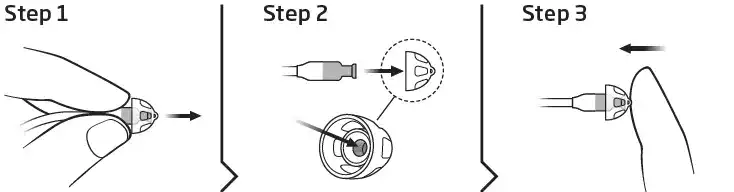
Replacing your hearing aid domes is a simple but critical maintenance step that can prevent equipment failure and hearing loss.
- Step 1: Remove the old dome gently – pinch the earhook of the hearing aid with your thumb and forefinger, rotate it counterclockwise and pull the dome out to avoid damaging the component with excessive force. If the dome is adhering to earwax, wipe it with a soft cloth first.
- Step 2: Cleaning the hearing aid port – Use a special brush to remove any residue and prevent clogging.
- Step 3: Install the new dome – align the dome base with the hearing aid speaker tubes, turn clockwise until it clicks into place, and test to make sure it is secure. The whole process should be carried out in a clean environment and take no more than 5 minutes.
5. conclusion
Frequency of replacement depends on usage habits, generally every 1-3 months or when there is wear, hardening or discoloration. Those who exercise a lot or have a lot of ear wax will need to change more frequently.
PRO TIP: Keep track of replacement dates and have spare domes available; choose wax-resistant models for longer life. If you experience difficulty, refer to the device manual or online video tutorials, but first-time operation is recommended under the guidance of an audiologist.
Incorrect replacement may result in sound leakage or damage to the hearing aid, so proceed with caution. In short, regular replacement not only improves performance, but also saves on maintenance costs!