For many individuals seeking amplified audio experiences or coping with hearing impairments, earmolds offer both solutions and challenges. Users may encounter issues like discomfort, improper fit, and potential infection from poorly maintained or incorrectly fitted devices. Nevertheless, earmolds provide clear benefits such as a customized fit that improves hearing clarity, enhances comfort, and ensures secure placement for optimal audio performance.
This guide covers everything you need to know about earmolds. It begins with a definition of what an earmold is and explains why these devices come in various shapes and sizes and how they are constructed. We also explore their design—specifically, how they channel sound efficiently. In addition, the guide offers crucial tips for maintaining proper hygiene through effective infection control and proper storage and care practices.
1. What Is an Earmold?
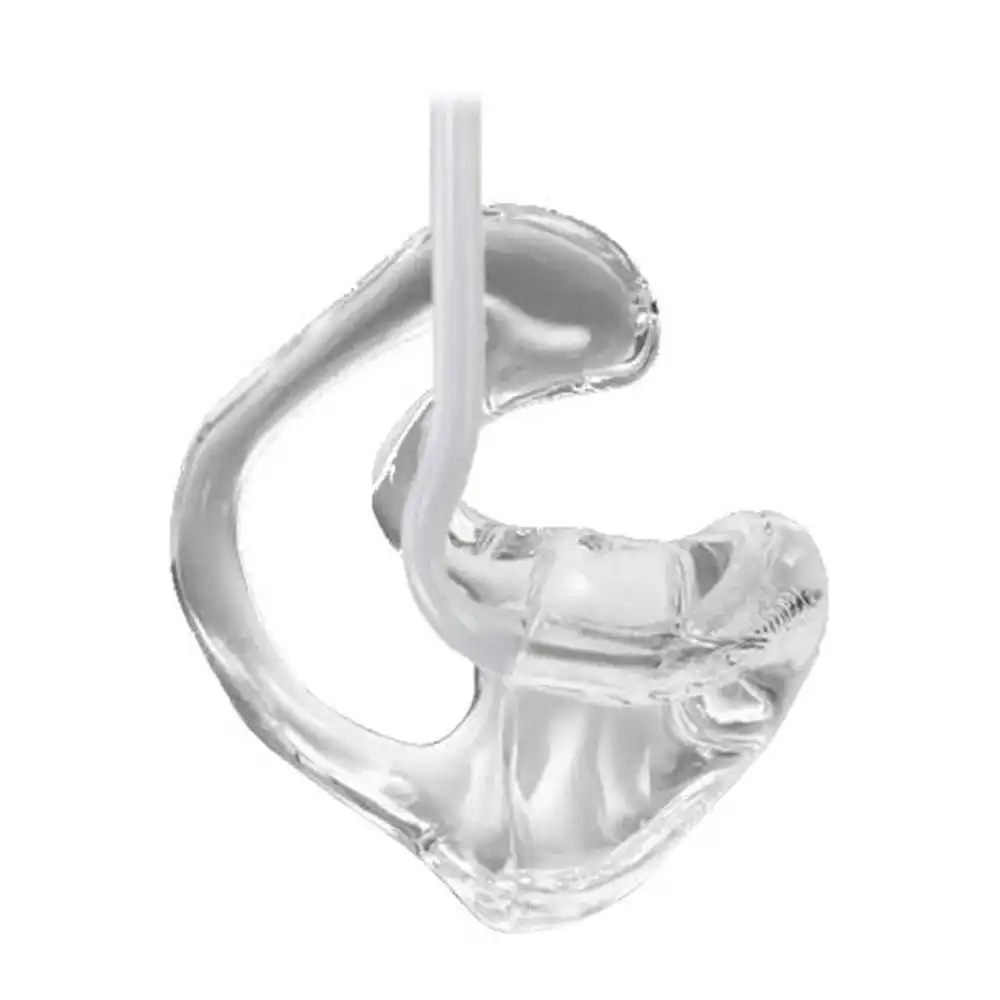
Earmolds are custom-fit devices used in hearing aids and ear protection, designed to precisely and comfortably deliver sound into the ear canal. Made to match the unique contours of an individual’s ear, they ensure that sound is accurately channeled while minimizing leakage and external noise interference.
Serving as the vital link between a hearing aid’s electronics and the complex anatomy of the ear, earmolds provide a tailored acoustic seal that reduces background noise and enhances desired sounds.
2. Why Different Shapes and Sizes?
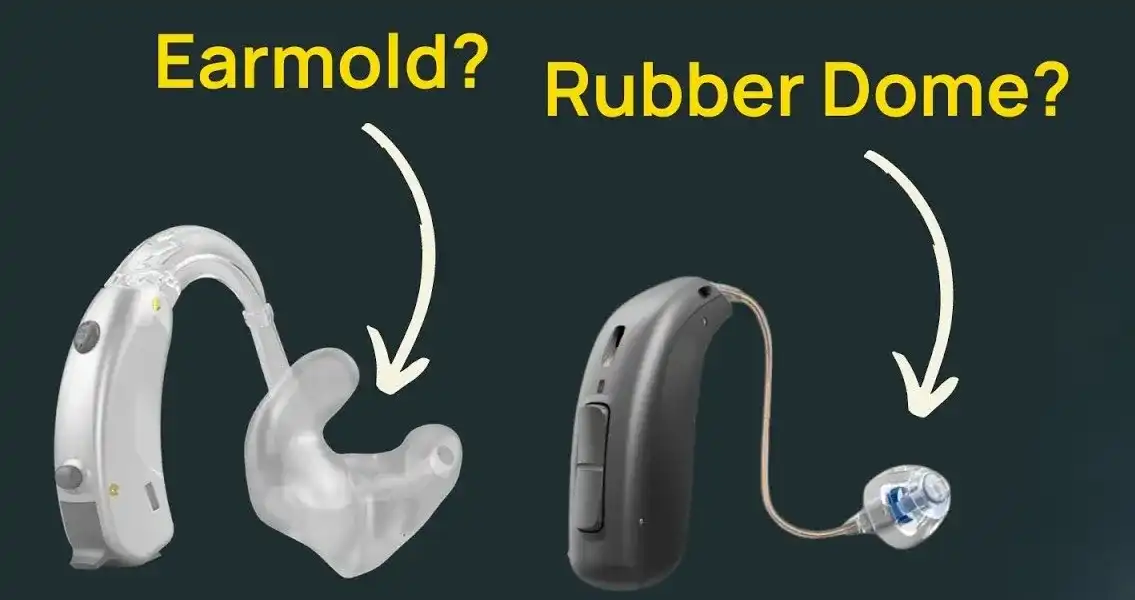
Earmolds come in various shapes and sizes because each person’s ear anatomy is unique. Since the external ear canal, concha, and surrounding areas differ from person to person, custom-fitted earmolds are necessary to ensure comfort and optimal sound delivery. This personalized approach not only enhances acoustic performance but also meets individual hearing needs.
Different designs help create a precise seal in the ear canal, which is essential for maintaining sound quality and reducing external noise interference. A proper seal minimizes sound leakage and prevents discomfort or skin irritation that can result from a poor fit, thereby allowing hearing aids to perform at their best.
Additionally, the range of earmold designs addresses various levels of hearing loss and diverse auditory environments. Some users require earmolds that amplify subtle sounds without distortion, while others benefit from designs that block high-decibel noise in noisy settings.
3. What is an earmold made of?
Earmolds are typically made from materials that balance durability, comfort, and acoustic performance. Acrylic, a hard, clear plastic, is favored for its robustness and precision moldability. Its rigidity ensures maximum durability and dimensional stability for optimal performance.
Silicone is another popular option, prized for its softness and flexibility. It is especially suitable for individuals with sensitive ear canals or those who need a gentle, long-lasting fit. Its pliability not only enhances comfort and retention but also allows for easy adjustments during fitting, adapting well to the ear’s natural contours.
Additionally, composite materials are sometimes used to combine the benefits of both rigid and soft materials. The choice of material is carefully tailored to the user’s specific requirements, including the severity of hearing loss, skin sensitivity, and acoustic environment, thereby ensuring both efficacy and longevity of the earmold.
4. How does an earmold work?
An earmold is a custom conduit that channels sound directly into the ear canal with minimal distortion, creating an airtight seal that is crucial for effective sound transmission. This seal not only enhances clarity by preventing ambient noise from interfering with both amplified and natural sounds but also optimizes the hearing aid’s frequency response and overall audio quality.

In addition to its primary function, the earmold protects the ear canal from debris and moisture, reducing the risk of irritation or infection from environmental contaminants. Its carefully tuned acoustical properties ensure efficient delivery of electronic signals, resulting in clear, undistorted sound. Modern earmolds often incorporate innovative features like venting systems to balance sound pressure and prevent occlusion effects.
5. Infection control of earmolds
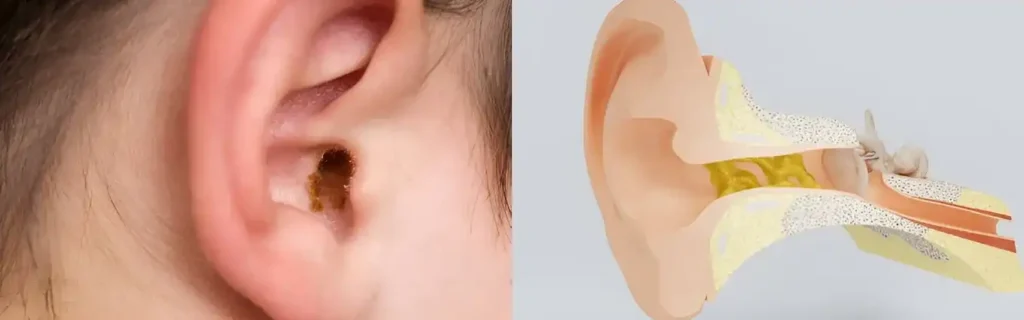
Infection control is critical for earmolds, especially for those who use hearing aids daily. The close contact between the earmold and the delicate ear canal can foster bacterial growth if proper hygiene is neglected. Regular cleaning, appropriate disinfection, and periodic replacement help reduce the risk of infections like otitis externa, while also prolonging the earmold’s lifespan.
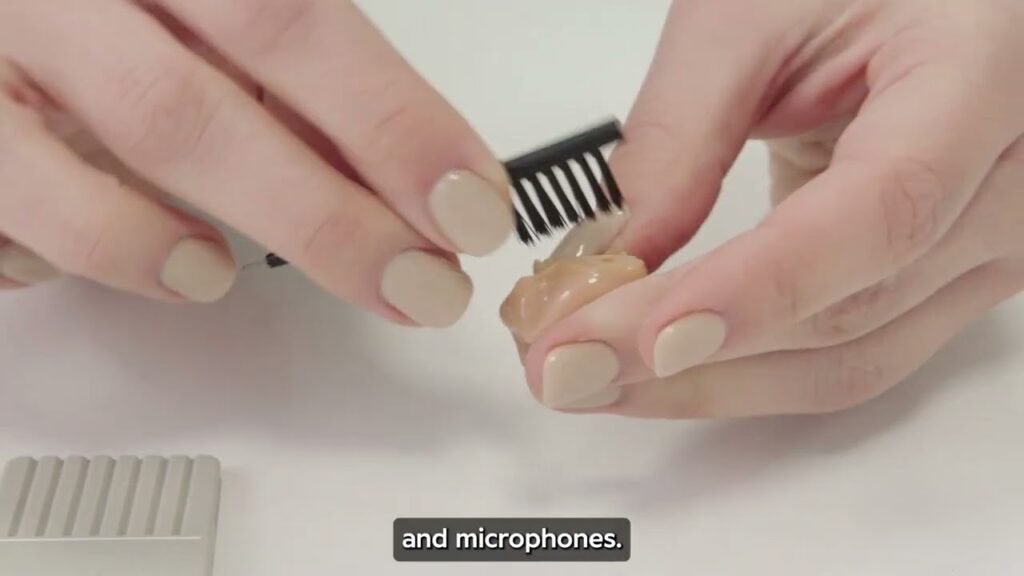
Daily maintenance involves cleaning the earmold with a mild, non-abrasive solution recommended by healthcare professionals. Gently wiping with a lint-free cloth or using specialized wipes helps remove contaminants without damaging the material; harsh chemicals or alcohol-based cleaners should be avoided. For a deeper clean, periodic soaking in warm water with a mild detergent is effective at removing accumulated earwax and debris.
Proper storage is also essential. When not in use, earmolds should be kept in a clean and dry container to minimize exposure to dust, moisture, and other harmful particles. Regular visits to an audiologist for professional cleaning and inspection can help identify any early signs of wear, damage, or infection. By maintaining diligent hygiene practices, users can significantly reduce health risks and ensure optimal auditory performance.
6. Storage and care of earmolds
Do Not:
- Do Not expose earmolds to extreme temperatures. Avoid leaving them in places with high humidity, direct sunlight, or freezing environments, as these conditions can warp the material.
- Do Not store earmolds in sealed, airtight containers immediately after use if moisture is present; this might encourage microbial growth.
- Do Not neglect regular cleaning schedules. Skipping proper cleaning can lead to ear infections and deteriorate the integrity of the earmolds.
- Do Not use harsh chemicals or abrasive materials when cleaning. Such substances can damage delicate surfaces and compromise firm adhesion or flexibility.
- Do Not handle earmolds without clean hands. Failing to maintain hand hygiene may introduce dirt and bacteria, risking both the device’s condition and personal ear health.
Do:
- Do store earmolds in a breathable case or container that protects them from dust and contaminants. Consider using fabric-lined cases that allow air circulation.
- Do allow earmolds to dry completely between uses. Gently pat them dry with a soft, lint-free cloth and let them air out in a cool, dry place.
- Do clean earmolds regularly using a mild, non-alcoholic cleaner recommended by your hearing care professional. Follow the manufacturer’s instructions for optimal results.
- Do inspect earmolds periodically for signs of wear, discoloration, or distortion. Early detection of damage can help you arrange timely repairs or replacements.
- Do handle earmolds with clean, dry hands and store them separately from other personal items to minimize the risk of scratches or cross-contamination.
Conclusion
Earmolds play a critical role in enhancing auditory experiences and ensuring the effectiveness of hearing aids. Their custom design, based on individual ear anatomy, guarantees optimal sound delivery, comfort, and enhanced protection against external noise and contaminants.
By understanding their construction, functionality, and proper maintenance, users can enjoy clear, comfortable hearing while minimizing risks associated with infection and improper use.