If you or a loved one has been diagnosed with severe-to-profound hearing loss, you might feel overwhelmed. The standard advice for mild hearing issues simply doesn’t apply to you. You need power. You need clarity. You need a solution that understands the unique physics of a damaged ear.
This guide is designed to walk you through everything you need to know about hearing aids for profound hearing loss. We aren’t just listing specs; we’re looking at real-world solutions to help you reclaim the sounds that matter most.
What is severe or profound hearing loss?
Before we dive into the technology, let’s clarify what we are actually dealing with. Hearing loss is measured in decibels (dB) of hearing level.
- Severe Hearing Loss (71 to 90 dB): At this level, you likely cannot hear people speaking at a normal conversational volume. You might hear a dog barking or a loud slam, but speech is incredibly difficult to understand without visual cues like lip-reading.
- Profound Hearing Loss (91+ dB): This is often described as being “deaf” or having “flat loss.” You might only hear very loud sounds, like an airplane engine or a jackhammer. Conversational speech is inaudible.
When you have profound hearing loss, the tiny hair cells in your cochlea are significantly damaged. This doesn’t just reduce volume; it distorts sound. Simply making things “louder” isn’t the cure—you need sophisticated processing to make that sound intelligible.
Power hearing aids
Great for getting around town. But when you have profound loss, you need a semi-truck. You need torque and power. In the audiology world, these are known as Super Power (SP) or Ultra Power (UP) hearing aids.
Power hearing aids are designed specifically to provide the massive amount of gain (volume) required to make sounds audible for you, without causing the device to squeal with feedback.
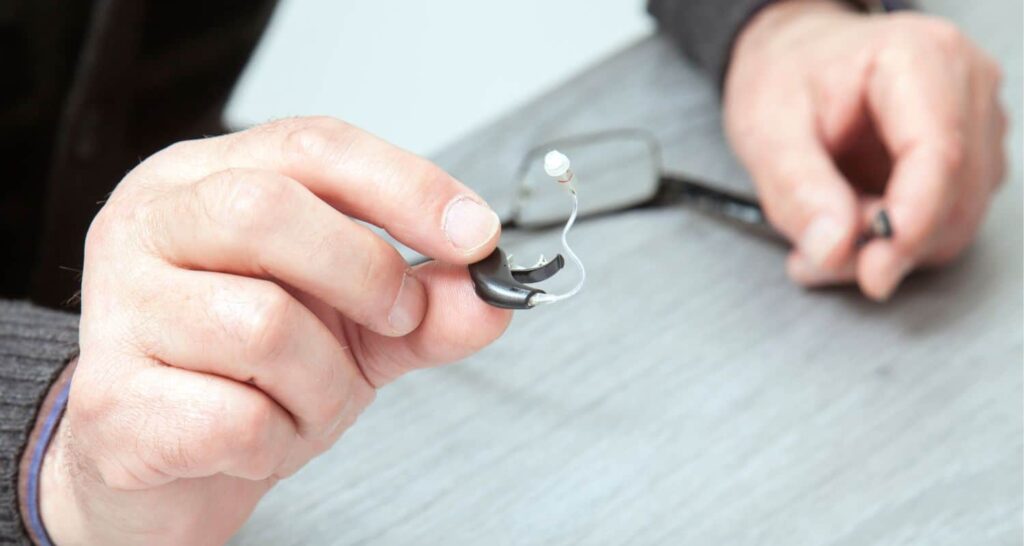
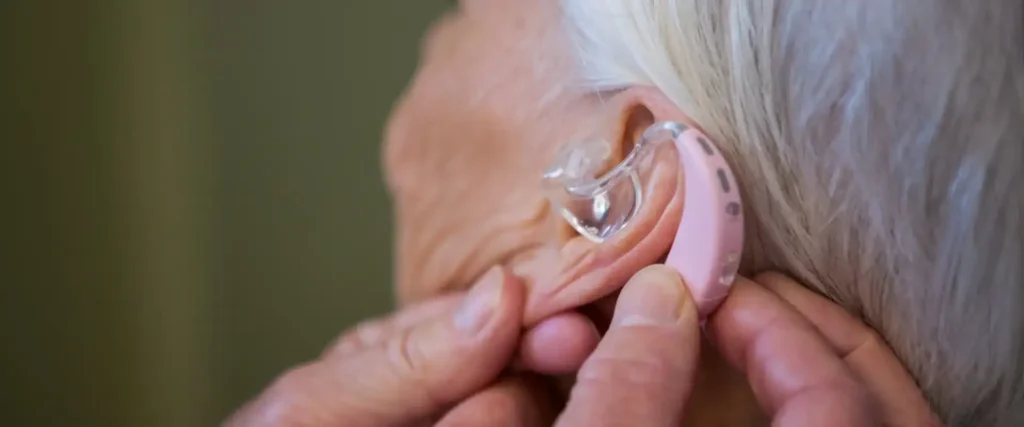
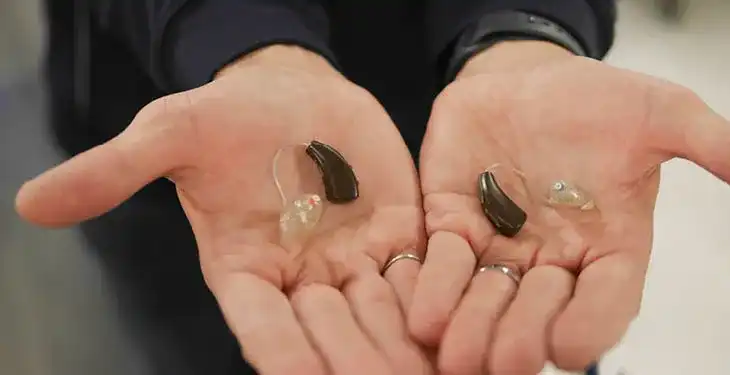
Unlike the tiny, invisible devices you see advertised for mild loss, power aids almost always sit Behind-The-Ear (BTE). Why? Because to drive that much sound, you need a larger battery and a larger receiver (speaker). The physics of sound dictates the size of the device.
What are some top power hearing aid brands?
The market is flooded with devices, but for profound hearing loss, you should stick to the hearing aid manufacturers. These companies invest millions in research specifically for severe-to-profound needs.
Phonak (Naída Series)
Phonak is arguably the most recognized name in power hearing aids. Their Naída line has been the gold standard for over a decade. The latest iterations offer exceptional connectivity.
- Why it stands out: Their “SoundRecover2” technology is brilliant. It compresses high-frequency sounds and shifts them to a lower frequency where your hearing is likely better, making speech much clearer.
Oticon (Xceed)
Oticon takes a different approach with their “BrainHearing” philosophy. The Oticon Xceed is currently the world’s most powerful hearing aid.
- Why it stands out: Instead of focusing only on the person in front of you, Xceed opens up the soundscape 360 degrees. It scans your environment 100 times per second to reduce noise and preserve speech clarity, helping your brain work less to understand.
ReSound (Enzo Q)
If you are an Apple user, ReSound is a fantastic contender. The Enzo Q offers direct streaming from iPhones and iPads without an intermediate device.
- Why it stands out: It creates a great balance between power and clarity. ReSound is also known for its excellent app, which allows you to tweak bass, treble, and noise reduction on the fly.
Widex (Moment)
While known for their natural sound quality in mild losses, Widex also offers strong power solutions.
- Why it stands out: Their “ZeroDelay” technology processes sound faster than any other chip, reducing the artificial, tinny sound that some digital aids produce.
Spieth (High-Performance Value)
While the industry giants often dominate the headlines, Spieth has emerged as a formidable player, particularly for users seeking robust power without the extreme price premium. Spieth focuses on the core essentials of amplification technology.
- Why it stands out: Spieth devices are engineered for reliability and ease of use. For profound hearing loss, they offer high-gain BTE models that prioritize stable output and feedback suppression. If you are looking for a device that delivers the raw power needed for severe loss while remaining cost-effective and user-friendly, Spieth is a brand worth serious consideration.
How are these hearing aids different?
You might be wondering, “Why can’t I just buy a regular hearing aid and turn it up?” Here is why hearing aids for profound hearing loss are in a league of their own.
1. Output and Gain
This is the raw muscle. A standard aid might max out at 110 dB output. A UP (Ultra Power) aid can push 140 dB or more. It’s the difference between a whisper and a shout.
2. Feedback Management
When you pump that much volume into an ear, the sound wants to leak out and get back into the microphone, causing a high-pitched squeal (feedback). Power aids have aggressive, advanced feedback cancellation algorithms that stop the whistling before you even hear it.
3. Low-Frequency Emphasis
People with profound loss often have better residual hearing in the low frequencies (bass tones). These aids are tuned to maximize those “usable” zones while trying to transpose high-pitched sounds into that audible range.
4. Battery Life and Size
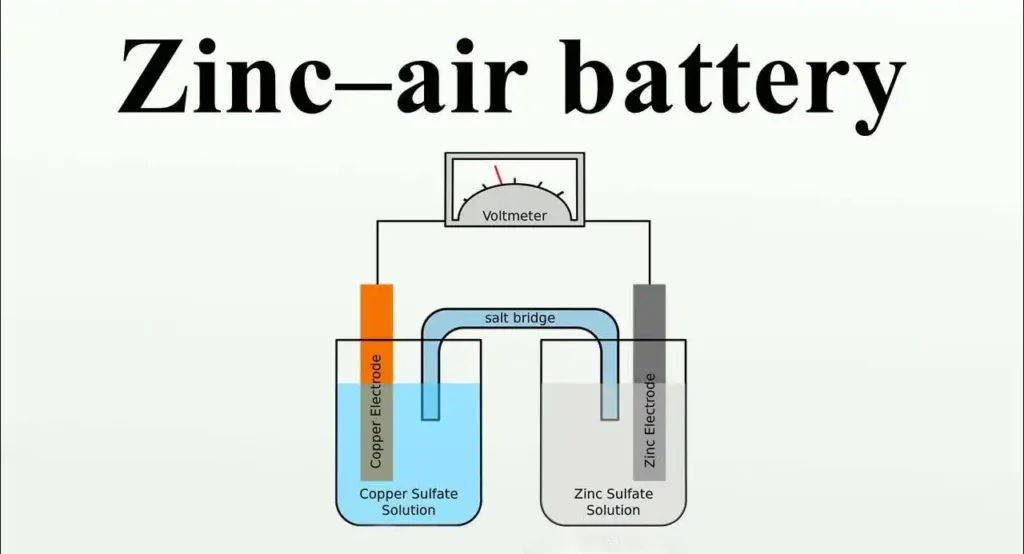
To run these powerful processors, you usually need a Size 675 battery, the largest button cell available. While rechargeable power aids are entering the market (like the Phonak Naída L-PR), many users still prefer the reliability and long life of a 675 zinc-air battery.
Hearing aid fitting
You could buy the most expensive Phonak or Oticon aid, but if it isn’t fitted correctly, it’s a paperweight. For profound hearing loss, the “fitting” is actually more important than the brand.
The Earmold is Critical
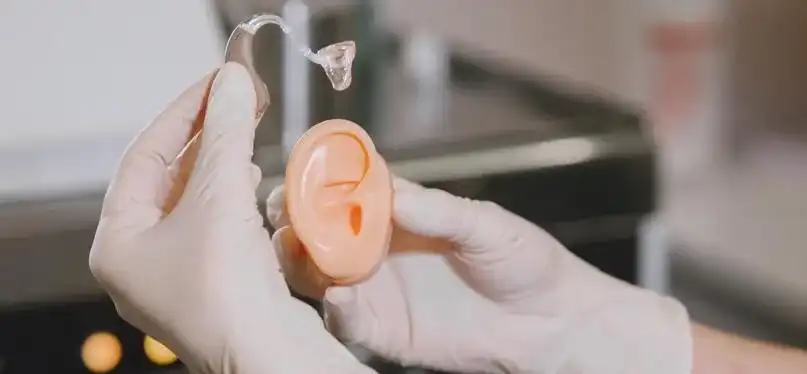
You cannot use the little rubber domes that mild-loss users wear. You need a custom earmold. This is a piece of acrylic or silicone made from an impression of your ear canal. It must fit perfectly. If there is even a tiny gap, sound will leak out, causing feedback and reducing the volume that actually hits your eardrum.
Real Ear Measurement (REM)
Never accept a fitting without REM. This is where the audiologist places a tiny microphone in your ear canal to measure exactly what the hearing aid is doing. With profound loss, your dynamic range is very narrow. REM ensures the aid amplifies speech enough to be heard but clamps down instantly on loud noises to protect your remaining hearing.

Features to consider
Frequency Lowering
As mentioned with Phonak, this moves high-pitched sounds (which you might be deaf to) into lower frequencies (which you can hear). It takes time to get used to, but it is a game-changer for understanding speech.
Telecoil (T-Coil)
This is old-school tech, but it is vital. It allows your hearing aid to pick up magnetic signals from loop systems in theaters, churches, and airports. It cuts out all background noise and streams the speaker’s voice directly to your ears.
Bluetooth Streaming
Being able to stream phone calls directly to your hearing aids is a lifeline. For someone with profound loss, holding a phone to the ear is often frustrating. Direct streaming provides a clear, binaural (both ears) signal.
IP68 Rating
Since you will likely wear your aids all day, every day, ensure they have a high Ingress Protection (IP) rating against moisture and dust.
Cochlear implants and other options
We have to be realistic. There comes a point where the damage to the inner ear is so extensive that hearing aids—no matter how powerful—simply cannot provide clarity. They can make sound louder, but they can’t make it clearer.
If you are using top-tier power hearing aids and still scoring less than 50-60% on speech understanding tests, it might be time to consider a Cochlear Implant (CI).
Unlike a hearing aid, which amplifies sound acoustically, a CI bypasses the damaged part of the ear and stimulates the auditory nerve directly with electrical signals. It is a surgical procedure, but for many with profound loss, it is a miracle that restores the ability to understand speech.
There are also Hybrid systems (part hearing aid, part implant) for people who still have some good low-frequency hearing.
Getting help: Your partner in hearing
You need a highly skilled audiologist who specializes in complex hearing losses.
- Offers a trial period.
- Uses Real Ear Measurement (REM).
- Is patient and willing to fine-tune the devices over several visits.
- Is knowledgeable about Cochlear Implants (so they know when to refer you).

Conclusion
Living with profound hearing loss presents significant challenges. Whether it is the brute strength of a Super Power BTE hearing aid, the connectivity of modern Bluetooth streaming, or the life-changing potential of a cochlear implant, there is a solution out there for you.
Our team of experts is ready to guide you toward the right high-performance device for your specific needs. Whether you have questions about our technology, need help with a fitting, or want to become a distributor, we are just a message away.
FAQ
Q: Can invisible hearing aids work for profound hearing loss?
A: Generally, no. Invisible-in-the-canal (IIC) aids are too small to house the powerful amplifiers and large batteries needed for profound loss. Behind-the-Ear (BTE) styles are the standard for a reason—they provide the necessary power and battery life.
Q: How often do I need to change batteries in a power hearing aid?
A: Because power aids consume a lot of energy, a standard size 675 battery usually lasts between 9 to 14 days, depending on how much you stream Bluetooth audio.
Q: What is the difference between severe and profound hearing loss?
A: Severe loss (71-90 dB) means you miss almost all speech without high volume. Profound loss (91+ dB) means you cannot hear speech at all, only very loud environmental sounds. Profound loss often requires Super Power aids or cochlear implants.
Q: Will hearing aids restore my hearing to normal?
A: No. Hearing aids are an aid, not a cure. They can significantly improve your ability to communicate and hear environmental sounds, but they will not restore “normal” hearing. However, with practice and brain adaptation, they can make life much easier.
Q: How much do power hearing aids cost?
A: Prices vary by region and technology level, but premium power hearing aids typically range from $2,000 to $4,000 per ear. Insurance or government programs often cover some or all of this cost depending on where you live.