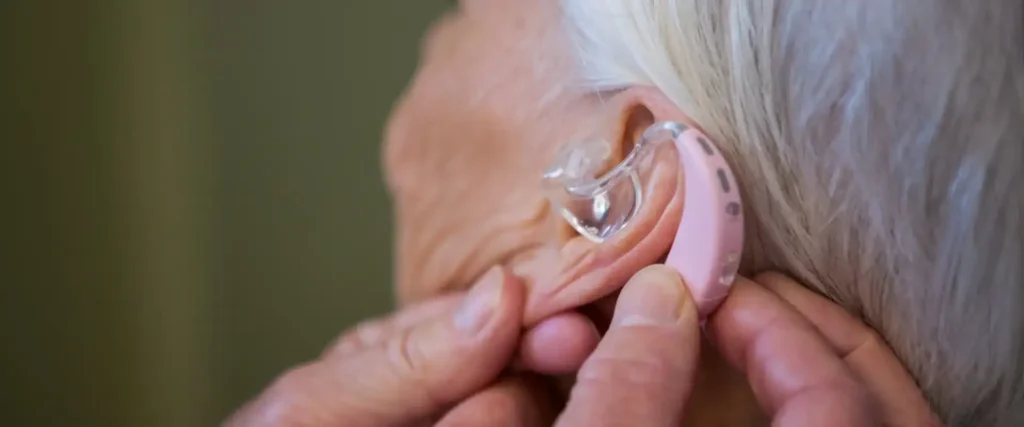
If you’re dealing with hearing loss, you understand that hearing aids aren’t just a luxury—they’re essential for staying connected to the world around you. Research shows that using hearing aids can improve quality of life, reduce the risk of cognitive decline, and enhance overall well-being.
However, the high cost of these devices—typically ranging from $2,000 to $7,000 per pair—often puts them out of reach for many. This is where government programs like Medicaid come into play, potentially offering relief depending on your location and eligibility.
While Medicare provides coverage for hearing exams among seniors, it notably excludes hearing aids themselves, even though age-related hearing loss affects about one in three adults over 65.
Medicaid might fill this gap for eligible individuals, but coverage isn’t uniform across the U.S. In this in-depth guide, we’ll explore Medicaid’s role in hearing aid coverage, state-specific variations, how to navigate the system, and alternative options if you’re not covered.
Understanding the Impact of Hearing Loss and the Role of Hearing Aids
Hearing loss isn’t merely about missing sounds—it’s a significant barrier that can affect mental health, social interactions, and professional opportunities. According to the World Health Organization, over 1.5 billion people globally live with some degree of hearing impairment, and untreated cases can lead to depression, anxiety, and increased fall risks. Hearing aids amplify sounds, filter background noise, and often come with advanced features like Bluetooth connectivity for seamless integration with phones and TVs.
The financial hurdle is real, Entry-level models start around $1,000 per ear, while premium digital devices with noise-cancellation and rechargeable batteries can exceed $3,500 each. For many, especially those on fixed incomes, this expense is prohibitive. That’s why exploring insurance options, including Medicaid, is crucial. Unlike over-the-counter hearing amplifiers, prescription hearing aids are customized based on audiometric tests, ensuring they address specific hearing profiles effectively.

What Is Medicaid?
Medicaid is a joint federal and state-funded program designed to offer health coverage to Americans with limited financial resources or specific needs. Established in 1965 under the Social Security Act, it now covers a wide array of services, from hospital stays and doctor visits to prescription drugs and preventive care. What sets Medicaid apart is its administration at the state level, allowing for flexibility in benefits while adhering to federal guidelines.
Eligibility typically depends on income (often below 138% of the federal poverty level in expansion states), family size, disability status, pregnancy, or age. For example, children, pregnant women, and seniors in nursing homes often qualify more readily. In 2023, Medicaid supported nearly 83 million enrollees, including about 10 million with disabilities. If you’re unsure about your eligibility, tools like the Health Insurance Marketplace or your state’s Medicaid office can provide personalized assessments.
How State Variations Affect Hearing Aid Coverage Under Medicaid
The patchwork nature of Medicaid means your zip code plays a big role in what you can access. “Hearing aid coverage through Medicaid isn’t standardized; it hinges on each state’s policies,” notes insurance expert Evan Tunis, president of Florida Healthcare Insurance. In generous states like California or New York, you might find comprehensive packages including exams, fittings, and devices. Conversely, states with tighter budgets may restrict coverage to severe cases or exclude it altogether for adults.

For instance, Florida’s program covers cochlear implants but only for one ear, reflecting cost-control measures. Nebraska specifies allowable types, such as behind-the-ear (BTE) or in-the-ear (ITE) models, while excluding more discreet options like in-the-canal (ITC) or completely-in-the-canal (CIC) devices. Several states require a documented level of hearing loss—often 30-40 decibels or more—before approving aids. To get a sense of your state’s stance, resources like the Hearing Loss Association of America (HLAA) provide state-by-state summaries, highlighting covered services and limitations.
This state-specific approach stems from Medicaid’s funding structure: The federal government matches state spending, but states decide on optional benefits. As a result, expansion under the Affordable Care Act has broadened access in 40 states plus D.C., potentially including more hearing-related perks.
What Specific Hearing Services Might Medicaid Cover?
When it does provide coverage, Medicaid can encompass a range of hearing-related services, making it a lifeline for those in need. According to Tunis, potential benefits include:
- Diagnostic Hearing Evaluations: Comprehensive tests to assess the degree and type of hearing loss, often performed by audiologists.
- Hearing Aid Fittings and Dispensing: Professional adjustments to ensure the device fits comfortably and functions optimally.
- Purchase of Hearing Aids: Coverage for the devices themselves, which may include basic analog models or advanced digital ones that reduce background noise and improve speech clarity.
- Repairs and Maintenance: Ongoing support for fixes, batteries, or replacements, though frequency limits may apply (e.g., one pair every 3-5 years).
- Cochlear Implants: In some states, surgical implants for profound hearing loss, including post-operative care.
For children under 21, coverage is more consistent nationwide through the Early and Periodic Screening, Diagnostic, and Treatment (EPSDT) program. This mandates that states provide necessary hearing services, including aids, to promote healthy development. EPSDT has been instrumental in addressing pediatric hearing issues early, potentially preventing speech delays or educational setbacks.
However, even in covering states, restrictions abound. Some limit brands to approved lists for cost efficiency, while others exclude cosmetic or high-tech features. “Digital hearing aids that enhance sound quality are sometimes covered, but always verify specifics,” advises Tunis. Understanding these nuances can prevent surprises during the approval process.
| State Example | Coverage Details | Limitations |
|---|---|---|
| Florida | Cochlear implants (one ear), basic hearing aids | No bilateral implants; requires medical necessity |
| Nebraska | BTE, ITE, body aids | Excludes ITC/CIC; decibel threshold required |
| California | Full exams, fittings, digital aids | May have waiting periods or prior authorization |
Always consult your state’s Medicaid handbook or website for the latest details, as policies can evolve with budget changes.
How to Locate a Hearing Care Provider That Accepts Medicaid
Securing coverage is one step; finding a provider is another. Not all audiologists or ENT specialists participate in Medicaid due to reimbursement rates.
- Online Searches: Use terms like “[Your City] hearing aids Medicaid” on Google to find local clinics.
- State Medicaid Directories: Many states maintain provider lists searchable by specialty and location.
- Healthy Hearing Database: Browse clinics on spiethhealthcare.com, then call to confirm Medicaid acceptance.
- Community Referrals: Ask primary care doctors, local health departments, or support groups for recommendations.
Alternatives If Medicaid Doesn’t Cover Your Hearing Aids
If your state’s program falls short or you’re ineligible, don’t despair—other avenues exist. “Explore payment plans from manufacturers or clinics,” suggests Tunis.
Non-profit organizations provide aid too:
- Hearing Loss Association of America (HLAA): Connects to financial assistance programs.
- Lions Club International: Local chapters offer free or discounted hearing aids.
- Starkey Hearing Foundation: Provides devices to low-income individuals worldwide.
Specific demographics may qualify for more:
- Veterans through the VA’s audiology services.
- Federal employees via certain insurance plans.
- Native American communities through Indian Health Services.
Over-the-counter (OTC) hearing aids, available since 2022, offer affordable options starting at $200, though they’re best for mild loss. For in-depth exploration, check resources on insurance and financial aid for hearing aids from the National Council on Aging (NCOA).
Conclusion
Medicaid can be a game-changer for accessing hearing aids, but success depends on your state, eligibility, and diligence in research.
By understanding the program’s structure, checking local coverage, and exploring providers, you can bridge the gap to better hearing. If barriers persist, alternative programs and financing ensure options remain available.
Prioritizing your auditory health isn’t just about hearing—it’s about reclaiming a fuller life. Consult professionals and stay informed to make the best choices for your needs.