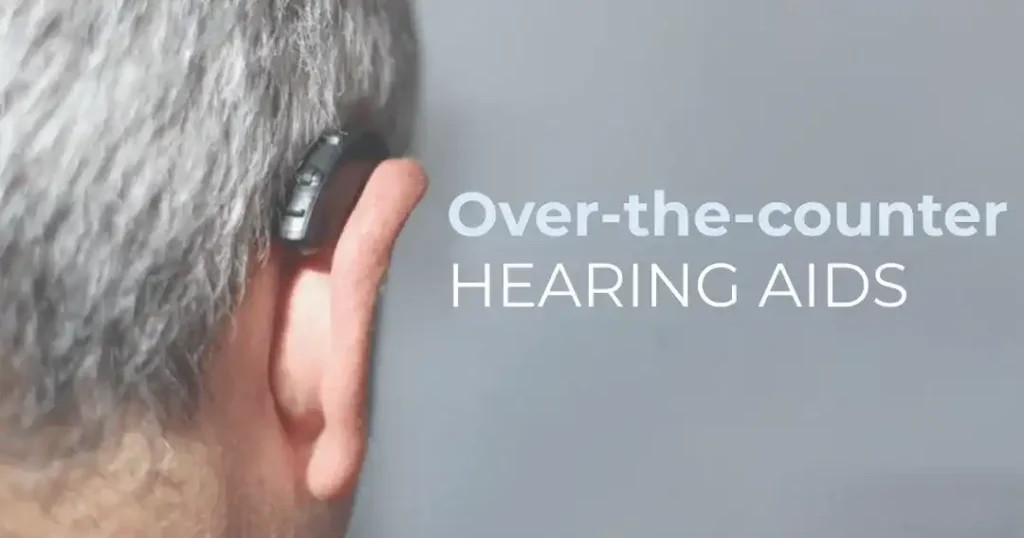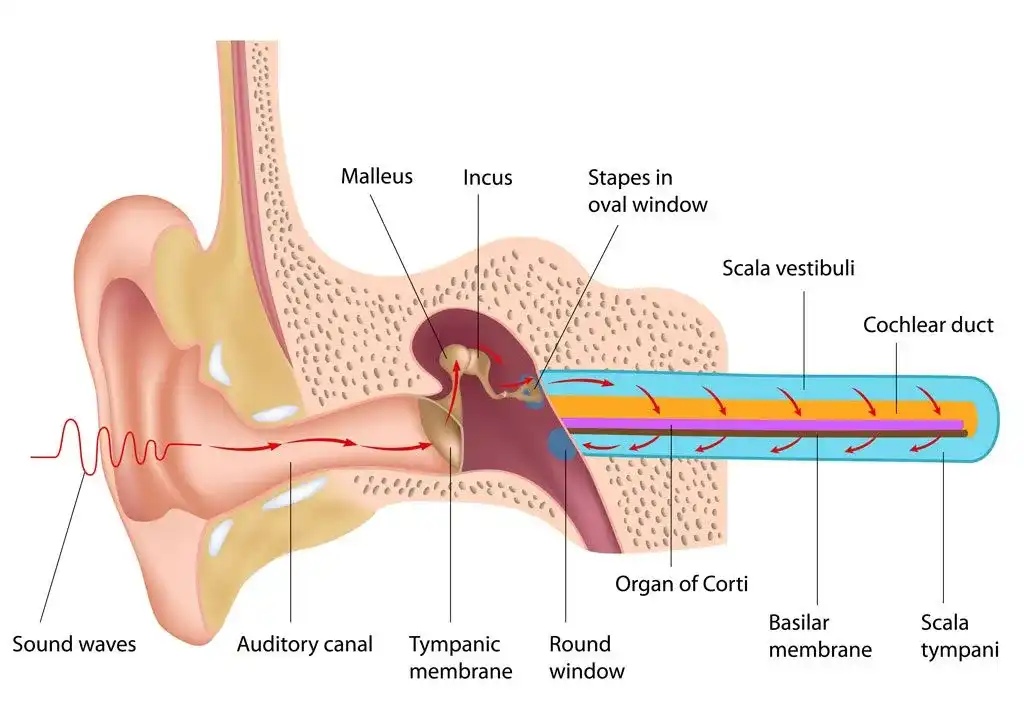
Hearing aids are an essential tool in everyday life for people facing severe hearing loss. Given their critical function and significant investment value, it is vital to protect these devices.
When your hearing aids are not in use, their security is critical. The best solution? A specialized hearing aid case designed for maximum protection.
Why you need a hearing aid case
Protecting your hearing investment begins with proper storage. A specialized hearing aid case is more than just a container; it’s essential to maximize the life and performance of your device when it’s not in use. Daily exposure to a variety of environments can seriously damage these delicate instruments.
- Dirt and bacteria: Your hearing aids are exposed to earwax, skin oils, dust and bacteria throughout the day. Quality hearing aid cases with special materials or UV technology are designed to proactively eliminate these contaminants and keep your device hygienic.
- Moisture: Moisture is a persistent enemy of hearing aid electronics. Whether it’s moisture, sweat or accidental spills, prolonged exposure can lead to corrosion and malfunction. Reliable hearing aid cases with built-in dehumidifiers or desiccants effectively absorb this harmful moisture.
- Pets and children: Placing hearing aids on unprotected surfaces can cause trouble. Pets and children, driven by curiosity, can easily grab, chew or drop hearing aids, resulting in damaged parts or lost devices. A secure case provides a designated, out-of-reach place to prevent accidental damage or loss.
- Heat and cold: Intense heat or cold can severely damage sensitive internal components and tubing. Prolonged exposure to direct sunlight, car dashboards or freezing temperatures can cause irreparable damage. The sturdy case acts as an insulating barrier, creating a safer internal environment for your hearing aids.

Different types of boxes
Hearing aid boxes come in a variety of designs and configurations. Most boxes focus on a stylish form factor and are convenient to easily fit into a handbag, jacket pocket or laptop bag. The main styles include:
- Economy: These boxes are usually made of laminated cardboard, soft vinyl or plain leather and are available in a wide range of color options. Their primary purpose is to prevent loss of equipment and protect against dust, rather than providing rugged impact protection. The interior space is usually small and only holds the hearing aid itself.
- Basic: Basic boxes offer a wide range of colors and surface textures for reliable functionality. They are equipped with secure side handles for easy access, and the interior compartments are sized to hold one pair of hearing aids. Their compact shape ensures that they fit easily into any pocket when commuting or traveling on a daily basis.
- Premium: Representing the top of the line, the Premium box is made of high-quality materials for even greater practicality. In addition to storing your hearing aids securely, they often feature specialized slots for spare batteries and cleaning tools.Made from durable materials such as wear-resistant plastic, these boxes are often equipped with a secure magnetic snap closure system to provide maximum protection and storage for your hearing care essentials. They are durable and easy to carry.
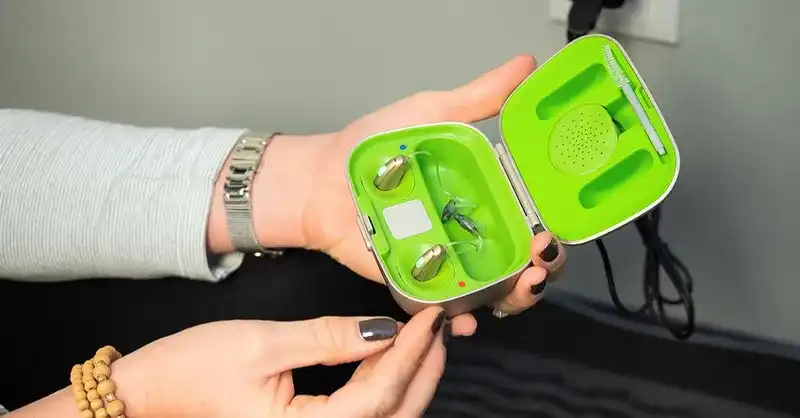
As mentioned earlier, humidity can pose a significant risk to the performance and longevity of your hearing aids. To address this issue, it is highly recommended that you store your hearing aids at home using a specialized hearing aid dehumidifier or hearing aid dryer. Both methods are effective in keeping them dry, but in different ways.
- Hearing aid dehumidifiers:Dehumidifier boxes provide an affordable method of humidity control. They work passively and do not require any electronics, thus reducing costs. They are similar to standard storage boxes with customized compartments, and their main feature is a built-in desiccant material – usually a specialized pad or gel. This desiccant actively draws moisture out of the hearing aids during overnight storage, ensuring that they remain dry the next morning.
- Hearing aid dryers:are a more advanced and usually more expensive option. These devices utilize electricity to power small fans and gentle heating elements that actively circulate air to evaporate and remove moisture. Many models come with an added benefit: ultraviolet (UV) technology. This UV light eliminates bacteria and other microorganisms and acts as a disinfectant while drying.
Functions of Hearing Aid Cases
There are a variety of hearing aid organizers on the market, but only some of the models have the basic features needed to keep your device clean, secure, and moisture-proof. When choosing an organizer, prioritize the following key aspects:
Durability
While soft pouches provide basic protection against dust, they offer little protection if they are accidentally crushed or sat on. For true peace of mind, choose an organizer made from sturdy materials such as industrial-grade polymers or aircraft aluminum. These materials are effective against water, impact, and UV rays, and are very portable.
Antimicrobial and Dehumidification
Your primary organizer should actively keep your device hygienic. Choose integrated technology that eliminates bacteria and expels harmful moisture during the night. This night care routine ensures that your hearing aids maintain optimal performance and greatly simplifies your cleaning process.
Hearing Aid Battery
Regardless of the drying function of the organizer, it is important to remove the batteries when storing them for long periods of time. The most convenient organizers usually come with dedicated compartments for your current and spare batteries. If your current box lacks a battery compartment, you can easily purchase a compact, stand-alone battery box.
Cleaning Kit
Routine cleaning is essential for optimal hearing aid function. Some high-end boxes come with a basic cleaning kit. If your box does not, make sure there is a dedicated space inside the box to conveniently store your essential brushes, paddles and wipes, as well as your device.
Waterproof Protection
Even with a waterproof rating and protective coating, minimizing your hearing aid’s exposure to moisture is critical. A truly waterproof case acts as a vital barrier, protecting your valuable investment from accidental liquid spills or moisture during travel and use.