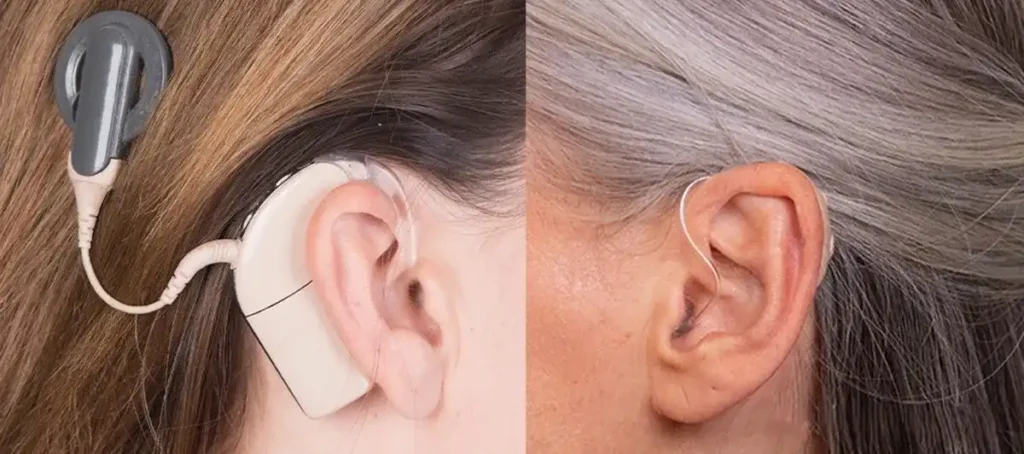
For individuals experiencing hearing loss, hearing aids play a vital role in improving sound perception and enhancing everyday life.
Nevertheless, these advanced devices, similar to other modern technology, require regular upkeep and thorough cleaning to maintain optimal functionality.
Routine maintenance not only helps extend the lifespan of your hearing aids significantly but also promotes clearer, more reliable hearing performance.
Below are some practical steps you can implement to effectively care for your hearing aids.
Regular cleaning
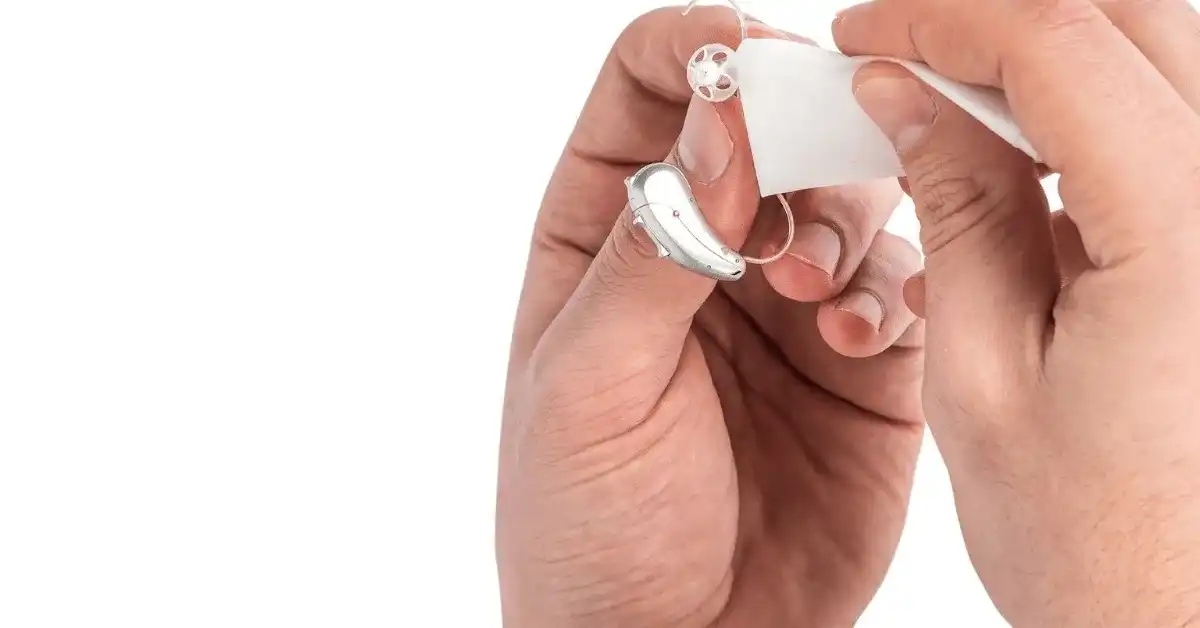
It is important to clean your hearing devices on a weekly basis. By performing a quick yet effective cleaning routine, you not only extend the operational life of your hearing aids but also enhance the clarity of the sound they deliver. Keeping up with this simple maintenance is key to preserving both performance and durability.
professional tune-ups
Alongside your weekly cleaning efforts, it is advisable to schedule professional tune-ups periodically. Consider it similar to regular dental visits: while daily brushing and flossing are valuable, professional cleanings ensure optimal care and upkeep. Generally, a deep cleaning by a specialist every six months helps identify any potential issues early and maintains your hearing aids in excellent working condition.
Daily Care Tips
- Wash your hands before touching your hearing aids: This precaution helps remove any oil, dirt, or particles that may affect their performance.
- Store properly: Using a charging cradle or protective case can protect your hearing aids from physical damage and unnecessary debris.
- Avoid exposing hearing aids to extreme weather: In extremely hot, humid, cold, or damp conditions, it is best to keep them indoors to prevent any potential damage.
- Keep hearing aids dry: Remove them before swimming, showering, or using spray products like hairspray, as excessive moisture or chemical exposure may cause damage.
- Clean Before Bed: Clean your hearing aids in the evening so they have enough time to dry completely before wearing them again in the morning.
- Use a dehumidifier: This extra measure helps maintain a low-humidity environment, protecting your hearing aids from water-related issues.
Tools for proper hearing aid care
To keep your hearing aids performing optimally, it’s essential to have a set of dedicated maintenance tools. Below is an outline of items typically found in a hearing aid care kit:
- Microfiber cloth: This soft cloth is perfect for gently wiping and cleaning the exterior surfaces of your hearing aids.
- Slim tube cleaner: Designed to remove any debris or buildup within the narrow tubes, ensuring clear sound transmission.
- Hearing aid dryer: This tool efficiently eliminates moisture that accumulates on your device after a full day of use.
- Cleaning brush: Ideal for dislodging dust and wax buildup, helping to maintain the device’s performance.
- Wax pick or loop: A delicate instrument used to carefully clear out earwax and other debris from tight spaces.
Your hearing specialist can provide guidance on the most effective tools and best practices to keep your hearing aids in excellent working condition.
Detailed cleaning methods for different types of hearing aids
There are subtle variations in the cleaning methods used for different hearing aid models. Two primary categories of hearing aids are Behind-the-Ear (BTE) and In-The-Ear (ITE). The following instructions provide detailed guidance tailored specifically for each type.
How to clean In-The-Ear (ITE) hearing aids
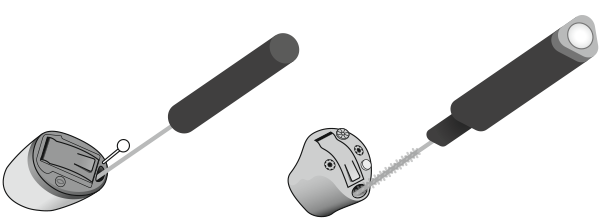
- Remove Debris: Hold the hearing aid face down and gently wipe off any earwax or debris that may have accumulated on its surface.
- Clean the Exterior: Use a microfiber cloth to gently wipe the entire outer surface, ensuring all residues are removed.
- Extract Wax with a Loop: Employ a wax loop or pick to carefully remove any remaining earwax that might be lodged in the device.
- Clear the Ventilation Tube: Make sure that the vent tube is free from blockages by sliding a slender cleaning tool through it.
How to clean Behind-The-Ear (BTE) hearing aids
- Reassemble and Test: After ensuring all parts are completely dry, put the hearing aid back together and run a functionality test to confirm everything is operating correctly.

- Clean the Microphone Openings: Gently brush the openings of the microphone to remove any accumulated debris and maintain clear sound quality.
- Clean the Aid: Lay the hearing aid face down and softly brush off any wax or dirt, paying special attention to the areas around the receiver and microphone.
- Detach the Tubing: Start the cleaning process by carefully detaching the tubing from the main hearing aid unit.
- Soak the Ear Mold: Remove the ear molds and soak them in warm, soapy water to loosen any residue buildup. Use a tubing blower to remove extra moisture, then pat dry with a clean cloth.
- Clear the Tubing: After running a pipe cleaner through the tubing to clear its interior, wipe the outer surface with a soft cloth for a thorough clean.
Use a Wax Pick: For any persistent wax that remains, use a loop or pick to carefully extract it.
Preventing ear infections
In addition to caring for your devices, maintaining clean ears is crucial. A buildup of earwax can disrupt the performance of your hearing aids and may lead to discomfort or even infection. Regularly cleaning both your ears and your hearing aids can help minimize these risks.
Professional hearing aid cleaning
If you have any doubts about how your hearing aids are functioning or if you’d like to arrange a professional cleaning, feel free to contact us today.
Professional maintenance is key to ensuring your hearing aids continue to serve you well for years to come
Consistent, expert maintenance is vital for keeping your hearing devices in top condition. This approach not only extends their lifespan but also ensures optimal performance and comfort for the long term.