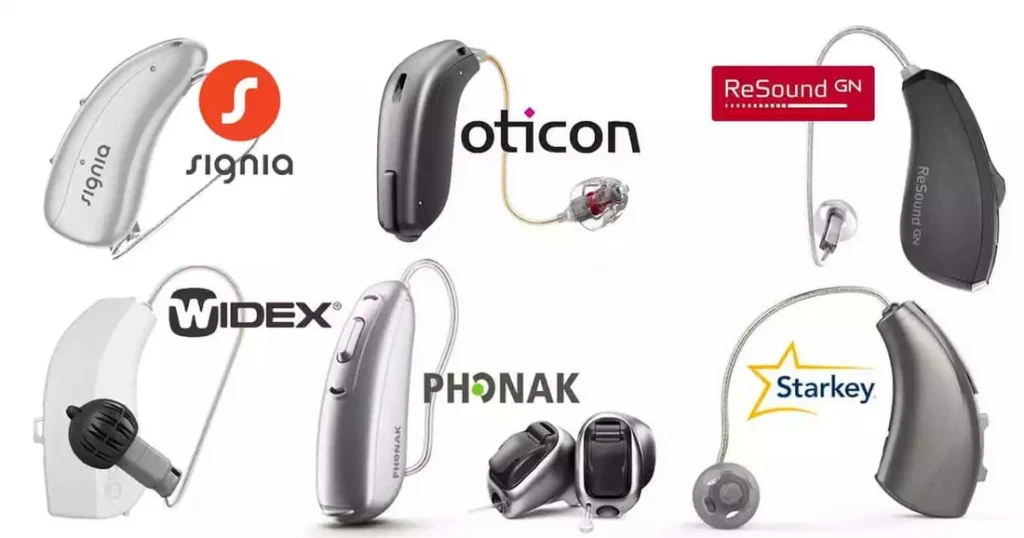
There are now various types of hearing aids, each designed to cater to different levels of hearing loss, ear anatomy, and lifestyle preferences.
This comprehensive guide explores the different types of hearing aids, their features, and key considerations to help you make an informed decision.
What Are the Different Types of Hearing Aids?
Hearing aids come in a variety of styles, each with unique advantages and limitations. The right choice depends on factors such as the degree of hearing loss (mild, moderate, severe, or profound), ear size and shape, manual dexterity, and personal preferences. We outline the five main types of hearing aids commonly recommended by audiologists:
1. Behind-the-Ear (BTE) Hearing Aids
[row class=”rowcss”][column size=”1/2″ center=”no” class=”alignself”]
Behind-the-ear (BTE) hearing aids are versatile and suitable for a wide range of hearing loss, from mild to profound. These devices rest comfortably behind the ear and connect to a custom ear mold or thin tubing that delivers sound into the ear canal. BTE hearing aids are durable, easy to clean, and often feature advanced technologies like Bluetooth connectivity for streaming audio from smartphones or TVs.
[/column] [column size=”1/2″ center=”no” class=”alignself”]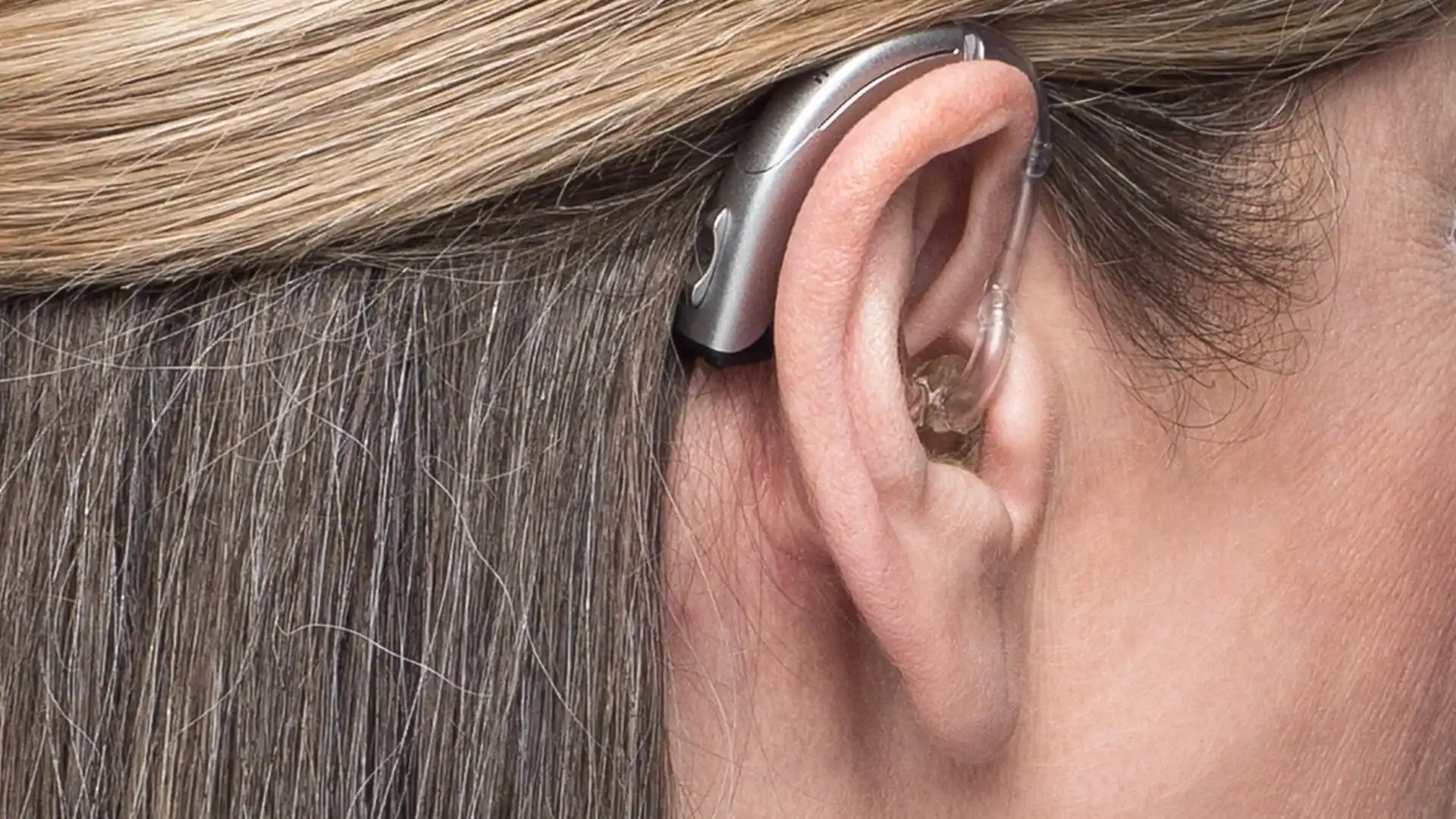 [/column][/row]
Key Features:
- Ideal for all ages, including children and adults.
- Larger size allows for powerful amplification and longer battery life.
- Requires good manual dexterity for insertion and maintenance.
Who It’s Best For: Individuals with severe to profound hearing loss or those who prefer a robust, feature-rich device.
2. In-the-Ear (ITE) Hearing Aids
[row class=”rowcss”][column size=”1/2″ center=”no” class=”alignself”]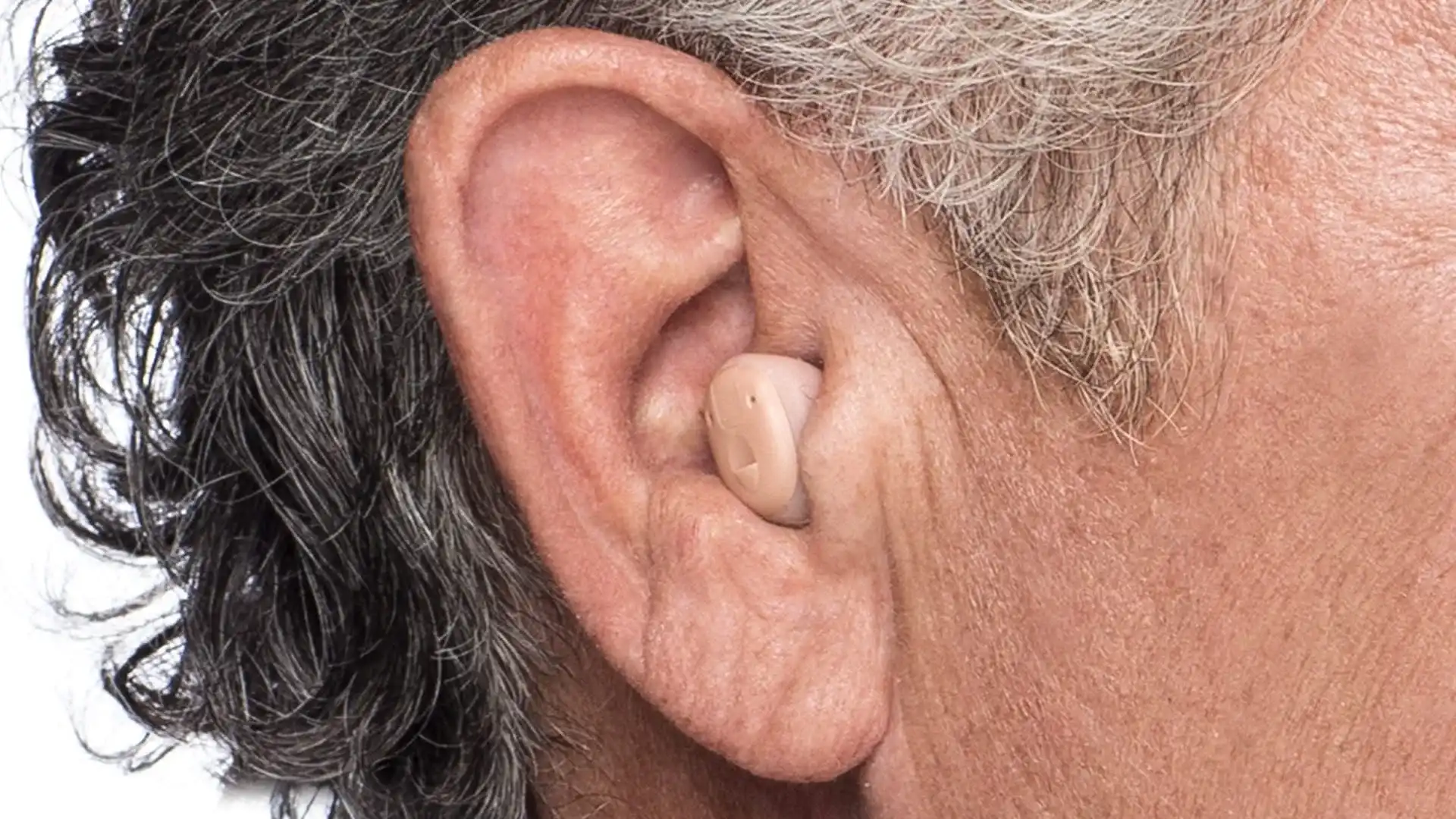 [/column] [column size=”1/2″ center=”no” class=”alignself”]
In-the-ear (ITE) hearing aids are custom-made to fit within the outer portion of the ear, either filling the entire bowl-shaped area (full-shell) or just a portion (half-shell). These devices are less visible than BTE models and are often recommended for individuals with moderate to severe hearing loss.
[/column][/row]
Key Features:
- Easier to handle for those with limited dexterity.
- Offers a balance of power and discretion.
- Available with modern features like rechargeable batteries.
Who It’s Best For: People with dexterity challenges or those seeking a less conspicuous device.
3. Receiver-in-the-Ear (RITE) Hearing Aids
[row class=”rowcss”][column size=”1/2″ center=”no” class=”alignself”]
Receiver-in-the-ear (RITE) hearing aids combine elements of BTE and ITE designs. The main body sits behind the ear, while a thin wire extends to a receiver placed in the ear canal. This design provides a natural sound experience and is less likely to create a “plugged” feeling in the ear.
[/column] [column size=”1/2″ center=”no” class=”alignself”]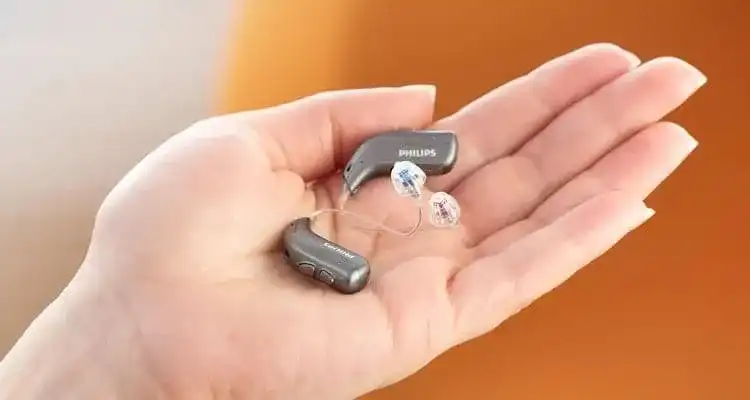 [/column][/row]
Key Features:
- Discreet and lightweight design.
- Suitable for mild to severe hearing loss.
- Requires manual dexterity for placement and maintenance.
Who It’s Best For: Those who value natural sound quality and a discreet appearance.
4. In-the-Canal (ITC) and Completely-in-the-Canal (CIC) Hearing Aids
[row class=”rowcss”][column size=”1/2″ center=”no” class=”alignself”] [/column] [column size=”1/2″ center=”no” class=”alignself”]
In-the-canal (ITC) and completely-in-the-canal (CIC) hearing aids are among the smallest and most discreet options available. ITC devices fit partially in the ear canal, while CIC models sit deeper, making them nearly invisible. These are best suited for mild to moderate hearing loss.
[/column][/row]
Key Features:
- Highly discreet, ideal for those concerned about visibility.
- Smaller batteries may require more frequent replacement or charging.
- May be challenging to handle for individuals with limited dexterity.
Who It’s Best For: Individuals with mild to moderate hearing loss who prioritize aesthetics.
5. CROS/BiCROS Hearing Aids
[row class=”rowcss”][column size=”1/2″ center=”no” class=”alignself”]
CROS (Contralateral Routing of Signals) and BiCROS (Bilateral Contralateral Routing of Signals) hearing aids are designed for individuals with single-sided deafness or significant hearing loss in one ear and normal or near-normal hearing in the other. A microphone on the poorer-hearing ear captures sound and transmits it to the better-hearing ear.
[/column] [column size=”1/2″ center=”no” class=”alignself”]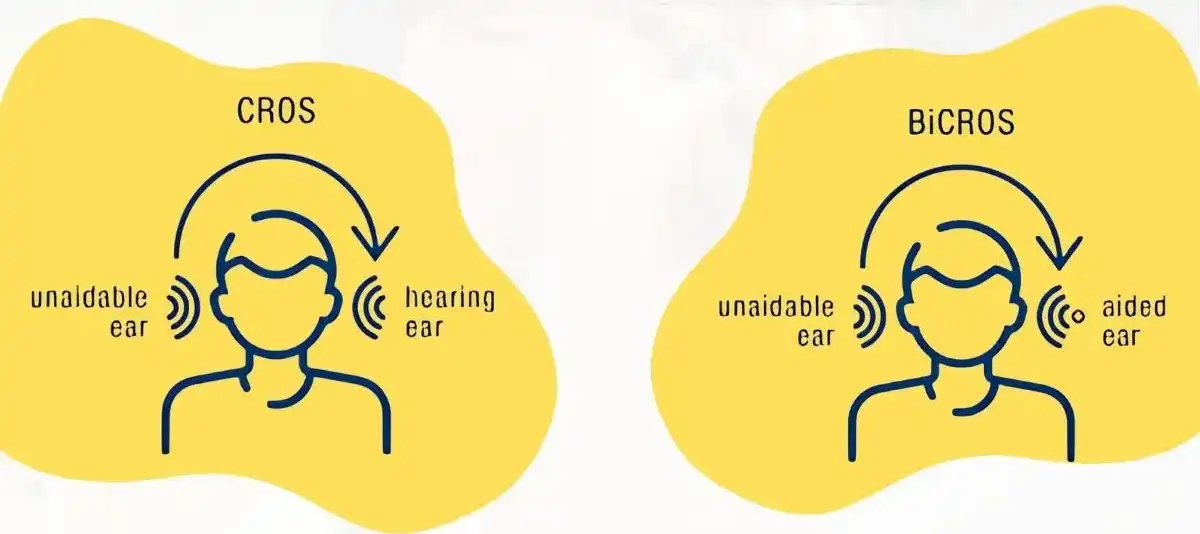 [/column][/row]
Key Features:
- Enhances situational awareness by capturing sound from the poorer-hearing side.
- Customizable for unilateral hearing loss.
- Ideal for noisy environments or conversations.
Who It’s Best For: People with single-sided deafness or asymmetrical hearing loss.
Conclusion
Choosing the right hearing aid can significantly improve your quality of life, whether you’re dealing with mild hearing loss or a more complex auditory condition.
With options ranging from discreet ITC models to powerful BTE devices, there’s a hearing aid to suit every need and lifestyle. By considering factors like the severity of your hearing loss,you can find a device that restores clarity to your world.