Hearing loss is one of the most common health challenges among older adults, yet it is often underestimated or dismissed as a natural part of aging. While age-related hearing loss—known as presbycusis—is indeed common, ignoring it can have a serious impact on mental health, social connections, and overall quality of life.
The good news? Today’s advanced hearing aids are nothing like the bulky, uncomfortable devices of the past. Modern technology has transformed them into sleek, discreet, and highly effective tools that not only restore hearing but also enhance cognitive health, confidence, and day-to-day living.
In this comprehensive guide, we’ll explore:
- What age-related hearing loss is and why it matters
- How hearing aids have evolved over the years
- The top benefits of modern hearing aids for seniors
- How to address common concerns about hearing aids
- How to choose the right device for your lifestyle
Age-Related Hearing Loss
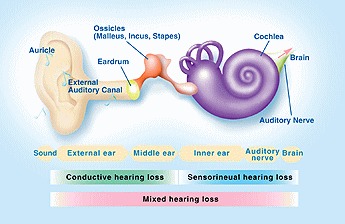
As we grow older, gradual changes in the inner ear can lead to a reduced ability to hear high-pitched sounds or understand speech—especially in noisy environments. This condition, called presbycusis, often develops slowly over many years, making it easy to overlook until it starts to affect daily life.
[row class=”rowcss”]
[column size=”1/2″ center=”no” class=”alignself”]
Common signs of age-related hearing loss include:
- Difficulty following conversations in group settings or noisy environments
- Frequently increasing the TV or radio volume
- Asking people to repeat themselves often
[/column]
[column size=”1/2″ center=”no” class=”alignself”]

[/column]
[/row]
Left untreated, hearing loss can cause seniors to withdraw from social situations, which may lead to loneliness, depression, and even cognitive decline. This is why early detection and action are crucial.
The Evolution of Hearing Aids
The hearing aids of decades past were often large, uncomfortable, and limited in functionality. Many seniors avoided wearing them due to stigma or inconvenience. Thankfully, hearing aid technology has advanced dramatically in recent years.
- Digital Sound Processing – Delivers clearer, more natural audio by separating speech from background noise.
- Bluetooth Connectivity – Stream calls, music, and TV audio directly to your hearing aids.
- Rechargeable Batteries – More eco-friendly and convenient than disposable batteries.
- Automatic Sound Adjustment – Adapts to different listening environments without manual tuning.
These advancements mean that modern hearing aids are smaller, more comfortable, and far more powerful—making them an appealing choice for seniors who want to stay connected and engaged.
Top Benefits of Modern Hearing Aids for Seniors
1. Exceptional Sound Quality
Advanced noise reduction and directional microphones allow seniors to enjoy conversations even in busy environments like restaurants or family gatherings.
2. Better Communication and Stronger Relationships
Clearer hearing means easier conversations, reducing misunderstandings and frustration. This helps seniors maintain strong social connections with loved ones.
3. Enhanced Cognitive Health
Studies show untreated hearing loss can increase the risk of dementia and Alzheimer’s disease. By improving hearing, modern devices help keep the brain engaged and active.
4. Personalized Listening Experience
Many hearing aids now offer customizable settings, letting users adapt sound preferences for different situations—from quiet evenings at home to lively outdoor events.
5. Discreet, Comfortable Design
Lightweight, barely noticeable hearing aids allow seniors to feel confident wearing them all day without discomfort.
Common Concerns About Hearing Aids
Many older adults hesitate to get hearing aids due to cost, appearance, or uncertainty about their ease of use. Fortunately, modern solutions address these issues:
- Affordability – Many insurance plans or government programs offer partial coverage.
- Comfort – Ergonomic designs ensure a natural fit.
- Ease of Use – Simple controls, smartphone apps, and automatic adjustments make them user-friendly.
- Low Maintenance – Long-lasting batteries and self-cleaning features reduce upkeep.
Choosing the Right Hearing Aid for You
Selecting the best hearing aid involves considering:
- Your lifestyle – Do you spend more time in quiet settings or noisy social environments?
- Your budget – Explore all options, including insurance coverage and financing plans.
- Your hearing needs – Work with a certified audiologist for personalized recommendations.
📞 Contact us today to schedule your hearing evaluation and start enjoying every conversation, every laugh, and every precious sound life has to offer.
Frequently Asked Questions About Hearing Aids for Seniors
1. What is the most common cause of hearing loss in seniors?
The primary cause is age-related hearing loss, or presbycusis, which occurs gradually as the inner ear and auditory nerves change with age. Other contributing factors can include long-term exposure to loud noises, certain medications, or underlying medical conditions such as diabetes or cardiovascular disease.

2. How do I know if I need a hearing aid?
Common signs include difficulty following conversations, frequently asking people to repeat themselves, turning up the TV or radio volume, or feeling isolated in social settings. If you notice these symptoms, schedule a hearing test with an audiologist to determine if a hearing aid is right for you.
3. Are modern hearing aids comfortable to wear?
Yes. Today’s hearing aids are lightweight, discreet, and ergonomically designed for all-day comfort. Many models can be custom-fitted to your ear shape, ensuring a secure and comfortable fit.
4. How much do hearing aids cost?
Prices can vary depending on the technology, features, and style you choose. Many insurance plans, veteran benefits, and assistance programs can help cover the cost. It’s best to consult with an audiologist to find a solution that fits your budget and needs.
5. Can hearing aids help prevent memory loss or dementia?
While hearing aids cannot cure cognitive decline, research shows that treating hearing loss can lower the risk of dementia by keeping the brain stimulated and encouraging social engagement.
6. How often should I have my hearing checked?
For most seniors, an annual hearing check-up is recommended to monitor changes and adjust hearing aid settings as needed. If you notice a sudden change in hearing, schedule an appointment immediately.
7. Do hearing aids require a lot of maintenance?
Modern hearing aids are designed for ease of use. Many have rechargeable batteries, moisture resistance, and self-cleaning features. Regular cleaning and occasional professional servicing will help keep them in top condition.
8. Can I connect my hearing aids to my phone or TV?
Yes. Many modern hearing aids feature Bluetooth connectivity, allowing you to stream calls, videos, and music directly to your devices for a seamless listening experience.