Hearing aids are susceptible to earwax, sweat, dust, and debris, and require ongoing care to ensure they are comfortable and function properly. This guide provides tips on how to handle hearing aid cleaning, earwax removal, and care to extend the life of your hearing aids.
Why You Need to Clean Earwax from Your Hearing Aids
Hearing aids, especially those with components inside or near the ear canal, are prone to accumulating earwax, moisture, and debris. Earwax is a natural substance that protects the ear canal, but it can build up on hearing aids, causing discomfort, muffled sound, or even device malfunction.
Regular earwax removal prevents these issues and ensures your hearing aids perform at their best. While some hearing aid chargers offer drying or sanitizing functions, self-cleaning hearing aids are not yet available, making manual cleaning a crucial part of device maintenance.
By combining daily cleaning with periodic professional maintenance, we outline actionable steps below to keep your hearing aids in optimal condition.
What is Earwax and Why Does It Affect Hearing Aids?
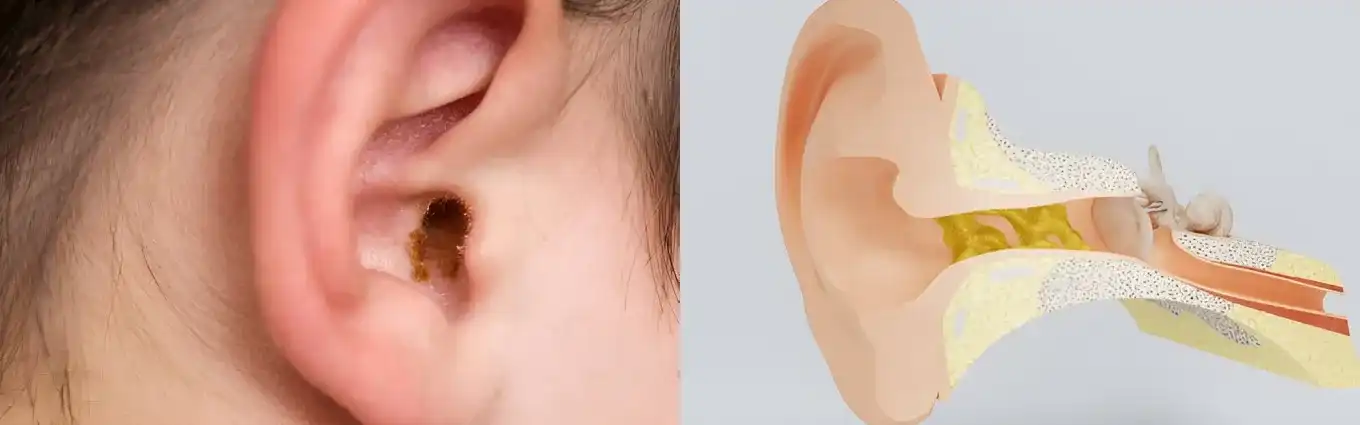
Earwax, or cerumen, is a natural substance produced by the body to protect the ear canal from dust, bacteria, and other irritants. While beneficial, earwax can accumulate on hearing aids due to their placement in or near the ear canal, impeding the natural outward migration of wax. This buildup is a common cause of hearing aid malfunctions, as it can block sound pathways, reduce sound clarity, and cause discomfort.
Do Hearing Aids Cause More Earwax Buildup?
Yes, hearing aids can contribute to earwax accumulation. The presence of a hearing aid in the ear canal can disrupt the natural movement of wax, leading to blockages. This makes regular cleaning of both your hearing aids and your ears essential to prevent buildup and maintain optimal device performance.
How to Clean Earwax from Hearing Aids
Cleaning your hearing aids is a straightforward process that requires minimal time but delivers significant benefits. Below are expert-recommended tips to keep your devices free of earwax and debris.
Tip 1: Inspect Your Hearing Aids Daily for Earwax Buildup
Daily inspection is the first step to maintaining your hearing aids. Different hearing aid models, such as BTE, RIC, or custom in-the-ear devices, have unique components that require attention. Key areas to check include:
- Wax Guards and Filters: Most hearing aids feature wax guards or filters that protect internal components from earwax and debris. These small barriers are critical but can become clogged. Remove the protective dome covering the receiver (the part that sits in the ear canal) and check for visible wax. If the wax guard appears blocked, it’s time to replace it. Spieth manufacturers recommend replacing wax guards every 4–6 weeks.
- Sound Bores and Hearing Aid Tips: The sound bore, located in the hearing aid tip or earmold, is the pathway through which sound travels into your ear. Clear sound bores deliver crisp audio, while wax buildup can cause muffled or distorted sound. Inspect the dome and the area beneath it daily for wax or debris.
- Hearing Aid Tubes (BTE Models): For BTE hearing aids, clear plastic tubes connect the behind-the-ear component to the ear canal. Wax and debris can accumulate in these tubes, compromising sound transmission. Look for discoloration or blockages, and clean or replace the tubes as needed.
[row class=”rowcss”]
[column size=”2/3″ center=”no” class=”alignself”]
Tip 2: Use a Hearing Aid Cleaning Kit
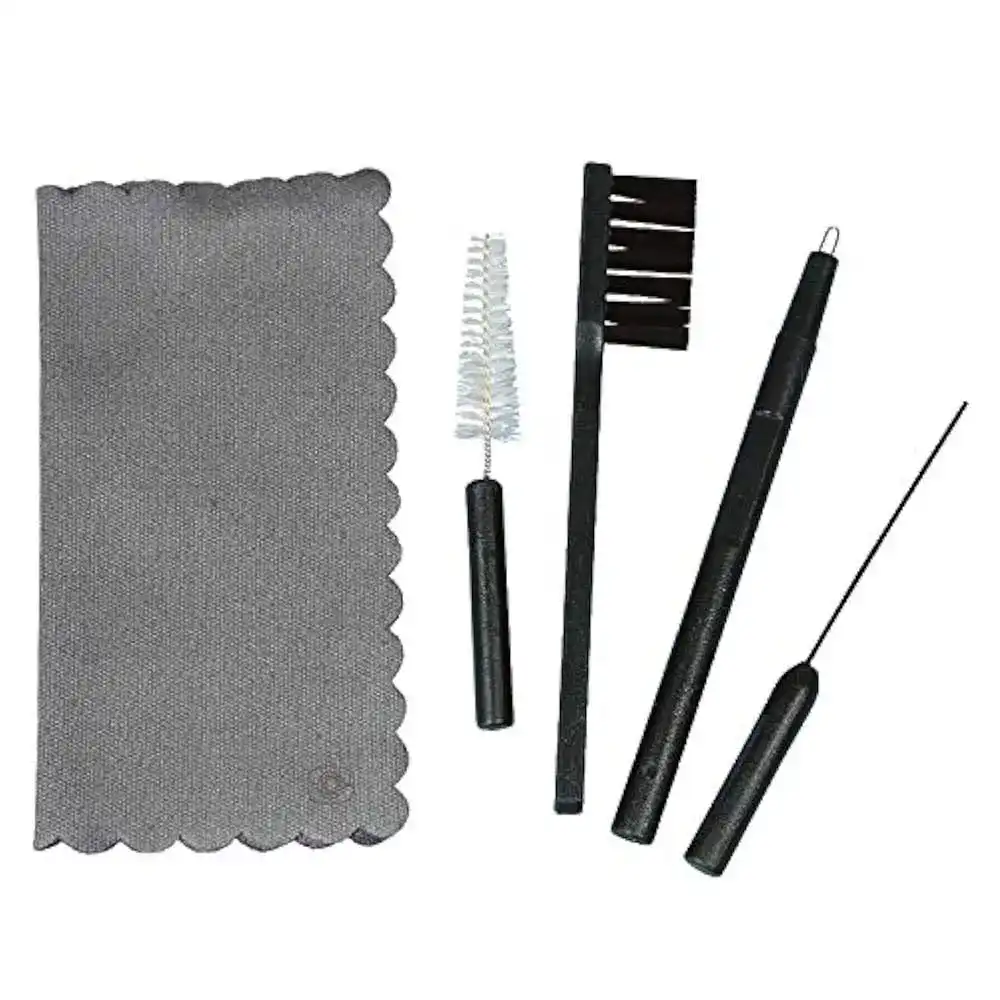
A dedicated cleaning kit keeps your tools organized and ensures effective maintenance. Many hearing aids come with a basic cleaning kit, but you can purchase additional tools from your hearing care professional or assemble your own. Essential tools include:
- Soft Brush: Gently removes wax and debris from the hearing aid dome and other surfaces.
- Wax Pick or Wire Loop: Extracts wax from sound bores or hard-to-reach areas.
- Vent Cleaner: Clears wax from longer vents that brushes or loops can’t access.
- Soft, Dry Cloth: Wipes away moisture, dirt, or debris from the hearing aid’s outer shell.
- Tube Cleaning Thread (BTE Models): Removes blockages from BTE hearing aid tubes.
[/column]
[column size=”1/3″ center=”no” class=”alignself”]
[/column]
[/row]
[row class=”rowcss”]
[column size=”1/3″ center=”no” class=”alignself”]
[/column]
[column size=”2/3″ center=”no” class=”alignself”]
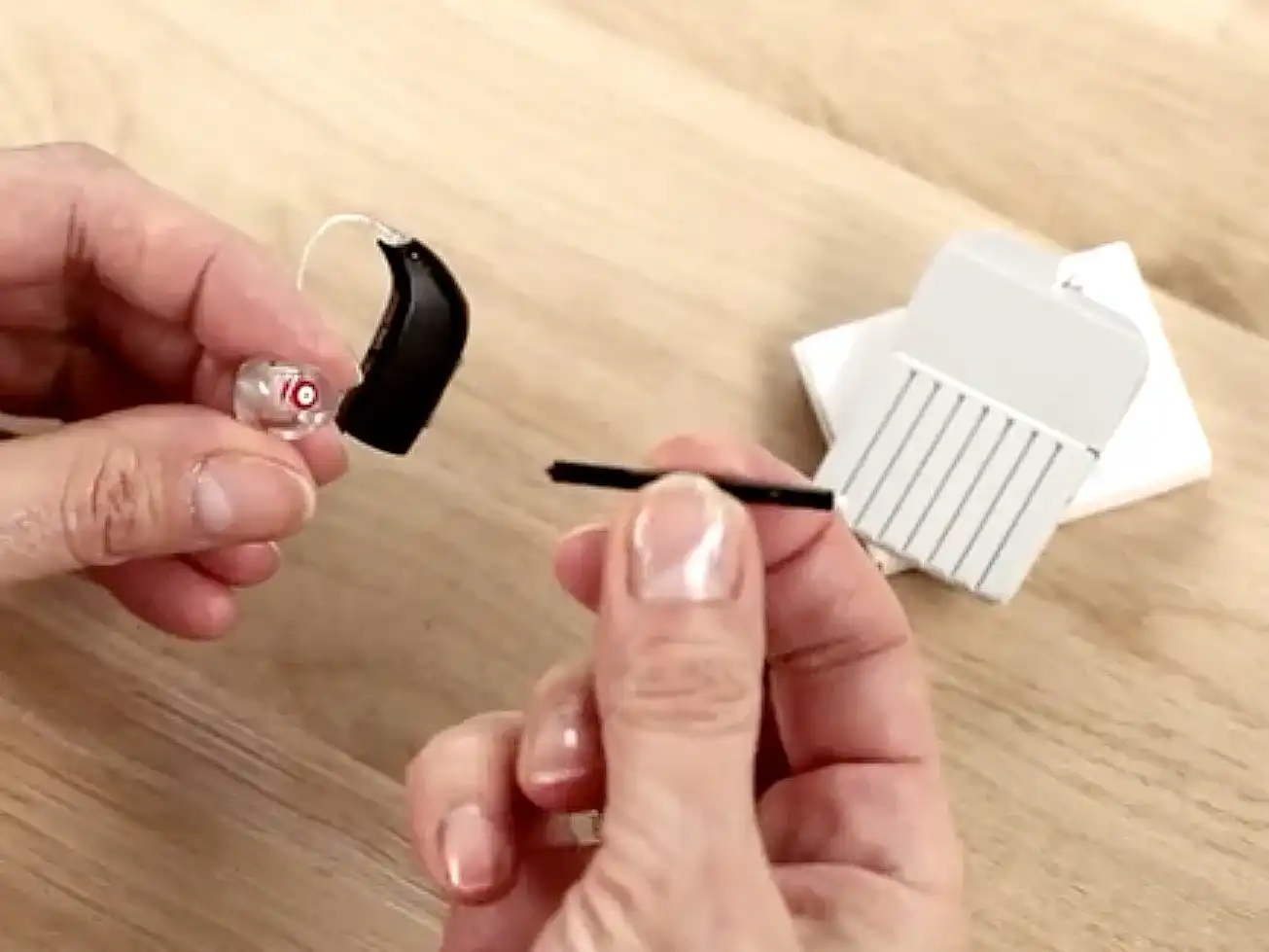
Tip 3: Clean Hearing Aids Regularly
Establish a daily cleaning routine, ideally at night before storing your hearing aids or in the morning before use. Consistent cleaning prevents wax from hardening, which can make removal difficult and damage the device over time. Follow these steps:
- Wipe the Exterior: Use a soft, dry cloth to gently clean the hearing aid’s outer shell, removing moisture, sweat, or dirt.
- Brush the Dome: Use a soft brush to remove wax from the receiver dome and sound bores.
- Clear Vents and Tubes: Use a vent cleaner or cleaning thread to remove debris from vents or BTE tubes.
- Check Wax Guards: Inspect and replace wax guards if they appear clogged.
[/column]
[/row]
[row class=”rowcss”]
[column size=”2/3″ center=”no” class=”alignself”]
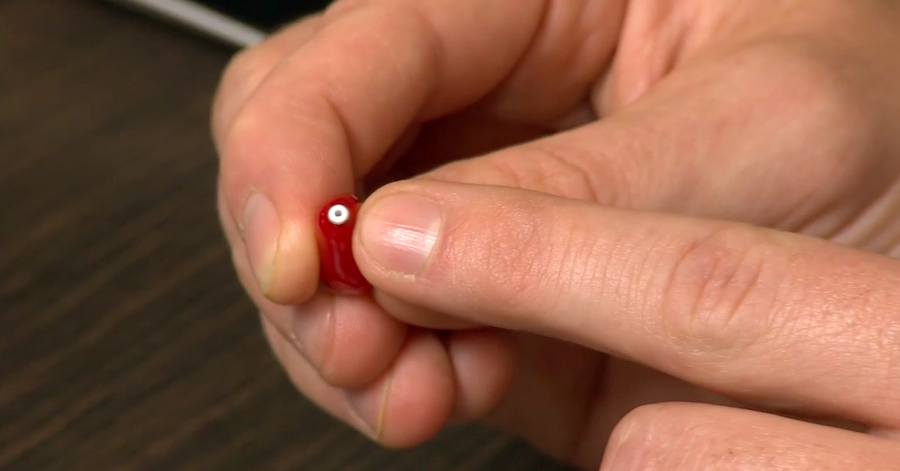
Tip 4: Replace Wax Guards Regularly (RIC Hearing Aids)
Wax guards are small but critical components that protect the receiver in RIC hearing aids. Replacing them every 4–6 weeks (or more frequently for heavy wax producers) ensures clear sound and prevents damage to internal technology. Replacement is quick and simple:
- Remove the clogged wax guard using the provided tool (often included with replacement guards).
- Insert a new wax guard, ensuring it’s securely in place.
- Dispose of the old guard properly.
[/column]
[column size=”1/3″ center=”no” class=”alignself”]
[/column]
[/row]
Tip 5: Handle Hearing Aids with Care
Hearing aids are sophisticated devices that require gentle handling. Avoid using sharp objects or excessive force, as these can damage delicate components. Work on a clean, flat surface with good lighting to make cleaning easier and reduce the risk of dropping your devices. If you’re unsure about any cleaning step, consult your hearing care professional rather than attempting repairs yourself.
Tip 6: Schedule Professional Cleanings
In addition to at-home care, regular professional cleanings are essential for maintaining hearing aid performance. A hearing care professional can perform a deep clean, inspect internal components, and address any issues that may not be visible during daily maintenance. Schedule professional cleanings every 3–6 months or as recommended by your provider to keep your devices in peak condition.
How Earwax Buildup Affects Hearing Aid Performance
Earwax buildup can significantly impact hearing aid functionality, leading to:
- Reduced Sound Quality: Wax in sound bores or on the receiver can muffle or distort sound, making speech and environmental sounds less clear.
- Discomfort: Accumulated wax can cause irritation or an uncomfortable fit.
- Device Malfunctions: Severe buildup can block critical components, leading to temporary or permanent damage.
By addressing earwax buildup promptly, you can avoid these issues and ensure consistent performance.
Can Hearing Aid Wax Guards Be Cleaned?
Wax guards are designed to be replaced, not cleaned. Attempting to clean them can damage their delicate structure or push wax deeper into the device. Replace wax guards as soon as you notice buildup, which may range from weekly to monthly depending on your earwax production. Always use Spieth manufacturer-approved wax guards to ensure compatibility and performance.
How to Prevent Earwax Buildup in Hearing Aids
[row class=”rowcss”]
[column size=”2/3″ center=”no” class=”alignself”]
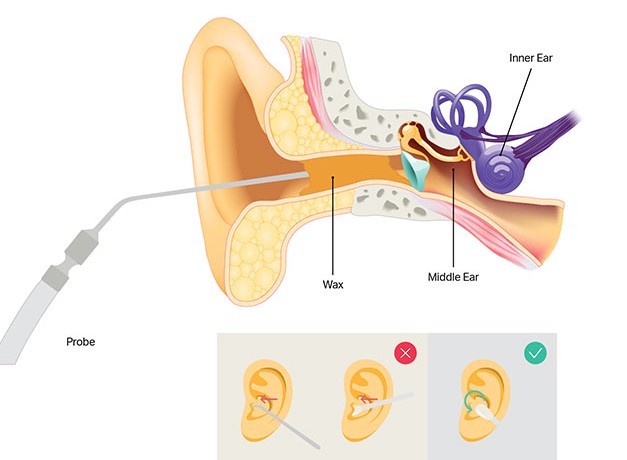
Preventing earwax buildup starts with good ear hygiene and consistent hearing aid maintenance. Follow these tips:
- Clean Your Ears Safely: Use a damp washcloth to wipe the outer ear, avoiding cotton swabs, which can push wax deeper into the ear canal and cause impaction.
- Store Hearing Aids Properly: When not in use, store your hearing aids in a dry, cool place, preferably in a dehumidifier case to reduce moisture buildup.
- Monitor Wax Production: If you produce excessive earwax, consult your hearing care professional or an audiologist for additional guidance on managing buildup.
[/column]
[column size=”1/3″ center=”no” class=”alignself”]
[/column]
[/row]
FAQs About Hearing Aid Maintenance
Q: How often should I clean my hearing aids?
Clean your hearing aids daily, ideally before bed or in the morning, to prevent wax and debris buildup.
Q: What dissolves earwax from hearing aids?
Avoid using liquids to dissolve earwax, as they can damage hearing aids. Use a soft brush, wax pick, or dry cloth for safe removal.
Q: How often should I replace wax filters?
Replace wax filters every 4–6 weeks or as soon as you notice buildup. Heavy wax producers may need more frequent replacements.
Q: Can I clean BTE hearing aid tubes at home?
Yes, use a cleaning thread or soft cloth to clear debris from BTE tubes. Detach the tube, clean it thoroughly, and reattach it securely.
Conclusion
Proper care and maintenance of your hearing aids are essential for ensuring comfort, sound clarity, and device longevity. By incorporating daily inspections, using the right cleaning tools, replacing wax guards regularly, and scheduling professional cleanings, you can keep your hearing aids in optimal condition.
Earwax buildup is a common challenge, but with the right routine, it’s easy to manage. For personalized advice or assistance, consult your hearing care professional to ensure your devices continue to perform at their best.