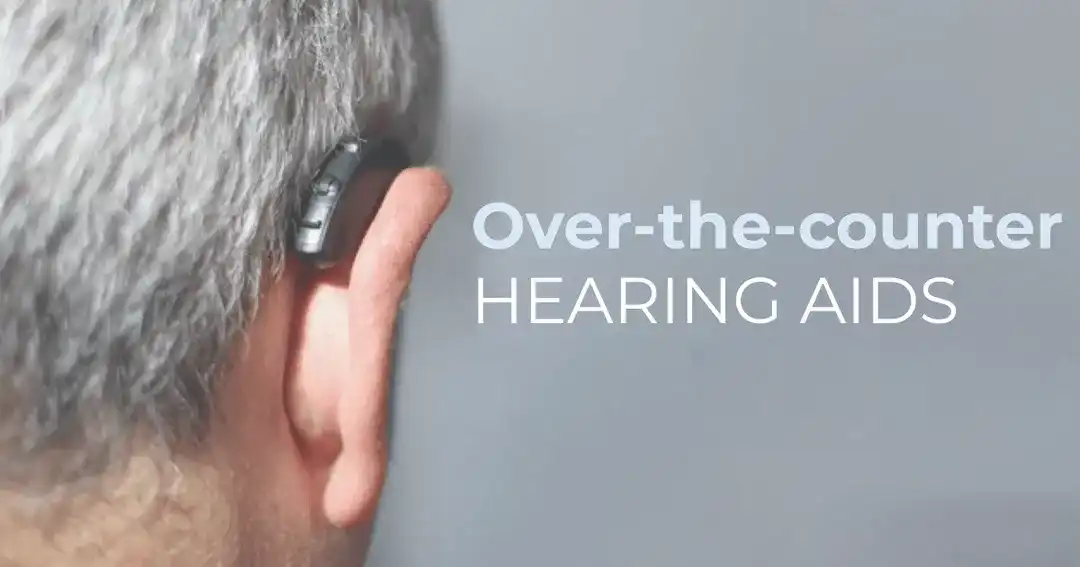
What are Over-the-Counter (OTC) Hearing Aids
On October 17, 2022, the FDA granted approval for over-the-counter (OTC) hearing aids designed for adults aged 18 and older with mild to moderate hearing impairment. When choosing between an OTC device and a prescription hearing aid, several factors must be taken into account to ensure you find the most suitable option for your needs.
Why conduct a comprehensive hearing assessment before purchasing?
Before investing in any hearing aid, it is advisable to undergo a comprehensive hearing evaluation performed by a qualified audiologist. These professionals specialize in assessing auditory thresholds and managing hearing aid fittings.
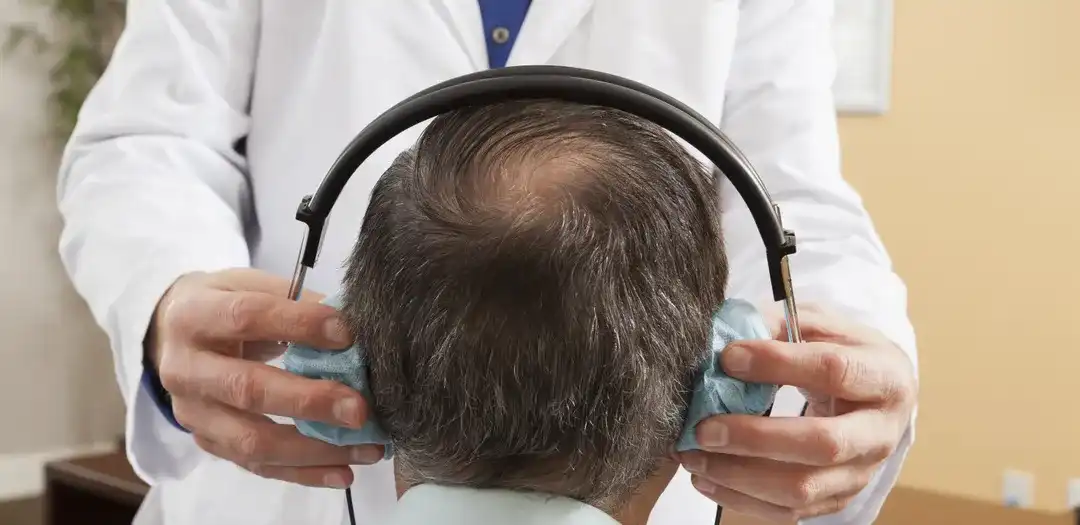
Although certain OTC devices include at-home hearing test features, a professional examination provides a more precise measurement of your hearing loss and results in recommendations that are rooted in clinical evidence.
Advantages of OTC Hearing Aids
- Lower Cost: Over-the-counter hearing aids are offered at a more affordable price than prescription models.
- Convenience: OTC hearing aids are accessible at pharmacies, grocery stores, and through online retailers.
- Practical Starting Point: For those experiencing mild hearing loss, OTC hearing aids can serve as an effective initial solution before exploring the option of prescription devices.
Disadvantages of OTC hearing aids
- Cannot be customized: OTC hearing aids lack the personalized fitting services provided by certified audiologists.
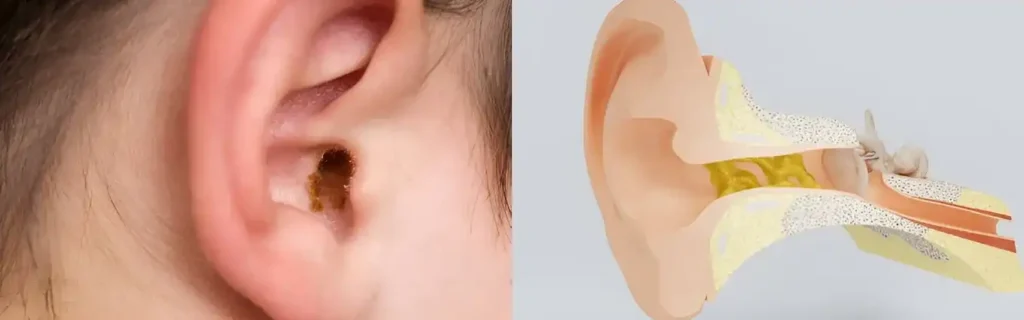
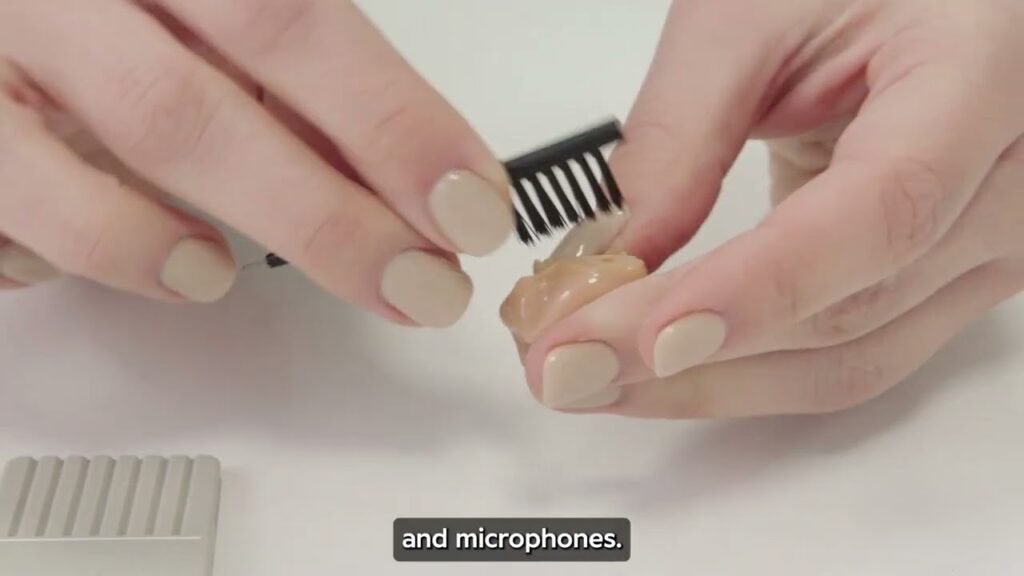
- Limited customer support: Without expert assistance, users may encounter difficulties when wearing, removing, and maintaining these devices. Even minor issues such as earwax buildup can significantly affect their performance.
- Limited choices: Although there are many OTC hearing aids available on the market, many of them follow a generic model or offer very few customization options. More personalized fittings usually yield better results.
- Testing unreliability: Home hearing assessments may be affected by factors such as earwax or background noise, reducing the reliability of the results.
- Risk of missed ear conditions: Regular hearing assessments by an audiologist can identify ear abnormalities that might otherwise be overlooked. Skipping this professional step may result in untreated medical issues.
- Lack of professional consultation: Audiologists provide patients and their families with essential education and support on managing hearing loss and improving communication skills—benefits that over-the-counter devices typically do not offer.
Who should not use over-the-counter hearing aids?
Over-the-counter hearing aids are not a universal solution. They are not recommended for the following groups of people:
- Children under the age of 18.
- People with moderate to severe hearing loss.
- People with sudden hearing loss.
- Anyone who has noticed fluid or blood coming out of their ears.
- People with hearing loss or tinnitus in one ear.
- People with severe vertigo.
Why over-the-counter hearing aids may not be suitable for children
Although over-the-counter hearing aids may seem like an attractive and affordable option for children with hearing loss, caution should still be exercised when considering sound amplification for children.
The U.S. Centers for Disease Control and Prevention (CDC) reports that approximately 1 to 3 out of every 1,000 newborns are born with hearing loss, and the prevalence of hearing loss among school-aged children increases significantly as they grow older, highlighting the importance of addressing hearing issues to support their overall development.
For children with hearing loss, having the right hearing aids is crucial to ensuring they can hear speech and everyday environmental sounds. Audiologists trained in pediatric care are best suited to accurately test a child’s hearing and fit them with appropriate hearing devices tailored to their unique needs.
Additionally, the FDA explicitly states that over-the-counter hearing aids are only intended for adults. Therefore, these devices do not include several key features necessary to protect and support children’s hearing health.
How to choose an over-the-counter hearing aid
If you are sure that an over-the-counter hearing aid meets your needs, consider the following points:
Our recommendations:
Look for an over-the-counter hearing aid that offers the following features:
• Ability to perform a hearing assessment yourself or enter the results of a professional hearing test.
• Ability to modify sound settings.
• 24-hour customer service to answer any questions you may have.