Hearing loss affects millions of people, and as technology advances, innovative solutions like small hearing aids have emerged. These compact devices are often ingeniously designed to be discreetly worn behind or inside the ear, combining functionality with elegance. However, like any medical or assistive device, they come with their own set of advantages and challenges.
This guide will delve into what makes these devices appealing, their potential limitations, and the individuals for whom they are best suited.
Why Choose Small Hearing Aids
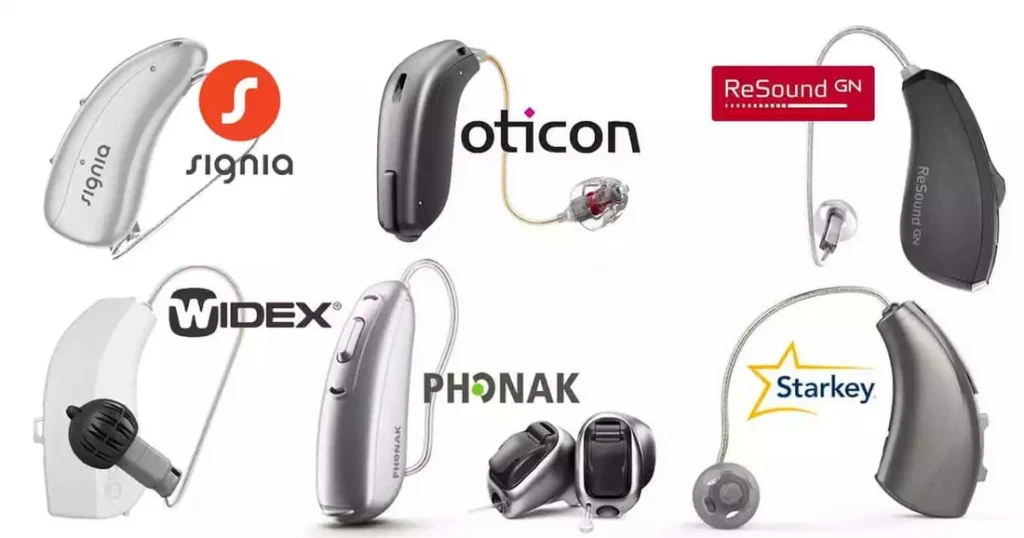
Small hearing aids, also known as mini or invisible hearing aids, differ from bulky predecessors by prioritizing portability and aesthetics, making them the top choice for those seeking discreet hearing solutions. Advancements in miniaturization technology mean they now incorporate features like Bluetooth connectivity and noise reduction. Audiologists report a surge in demand for these discreet solutions, with many users noting improved quality of life and freedom from the stigma often associated with hearing aids.
For a visual understanding of this evolution, refer to this simple comparison chart highlighting key differences between traditional and mini hearing aids:
| Feature | Traditional Hearing Aids | Small Hearing Aids |
|---|---|---|
| Size | Larger, more visible | Ultra-compact, often invisible |
| Battery Life | Up to 1-2 weeks | Typically 3-7 days |
| Customization | Moderate | High, with app-based adjustments |
| Cost Range | $1,000 – $3,000 | $1,500 – $4,500 (per pair) |
Advantages of Choosing Small Hearing Aids
The key advantage of small hearing aids lies in their discreet design. Many people hesitate to seek help for hearing issues due to concerns about appearing “different.” These devices fit deep within the ear canal or blend seamlessly around the outer ear, merging naturally with facial features. During professional meetings or social gatherings, your hearing needs remain unnoticed by others. Users often describe a newfound confidence that enhances social interactions.

Beyond aesthetics, comfort is paramount. Small hearing aids are crafted from lightweight, hypoallergenic materials to minimize irritation during extended wear. Modern models feature ergonomic designs that contour to the ear, reducing pressure points. A study by the American Speech-Language-Hearing Association indicates that 85% of small hearing aid users report all-day comfort, compared to only 70% of users of larger hearing aids.
- Enhanced Sound Quality: Advanced digital processors filter background noise, amplifying speech clarity in noisy environments like restaurants or offices.
- Wireless Integration: Pairing with smartphones allows for easy volume tweaks, streaming calls, or even music playback directly into the ears.
- Long-Term Durability: Despite their size, many are water-resistant and built to withstand daily wear, with some models offering remote adjustments via apps.
These features make small hearing aids ideal for active individuals, from joggers to remote workers, who need reliable support without bulk.
Disadvantages of Small Hearing Aids
While small hearing aids offer many appealing features, they are not without limitations. The primary concern is battery life, which tends to be short due to their compact size. Most models require recharging every few days, which can be inconvenient for individuals with busy schedules or frequent travel. Frequent battery changes or charging sessions may disrupt daily routines, especially in remote areas where finding compatible batteries is difficult.
Another drawback is fitting difficulty. Miniature hearing aids are so small that they require precise customization, often necessitating multiple visits to the audiologist for adjustments. If the fit is imperfect, users may experience annoying whistling or discomfort from poor sealing. For severe hearing loss, mini hearing aids may lack sufficient power; they excel in mild to moderate hearing loss but may underperform in severe cases, which can be frustrating.
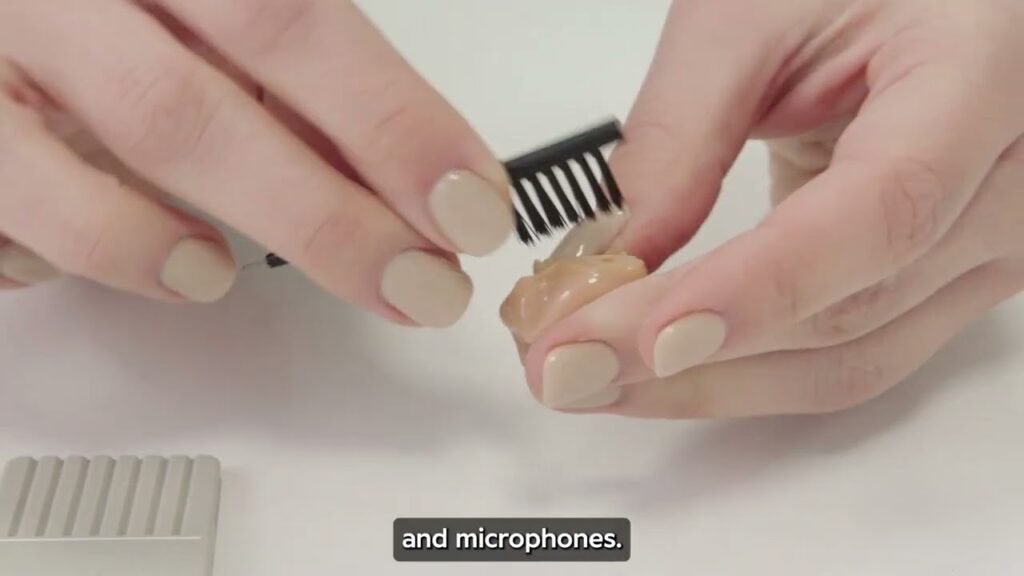
Cost is also a factor. The high upfront investment for premium micro hearing aids can strain budgets, and insurance coverage varies widely. Maintenance adds another layer of complexity: cleaning these precision devices requires careful handling to avoid damage, and repairs can be more expensive due to intricate components.
- Pros: Invisibility, comfort, smart tech integration.
- Cons: Shorter battery duration, tricky fittings, elevated pricing.
Who Might Benefit Most from Small Hearing Aids?
Not everyone needs the same type of hearing solution, so suitability is key. Small hearing aids shine for those with mild to moderate hearing loss, particularly younger adults or professionals who value aesthetics and mobility. They’re a great fit for:
- Tech-savvy users who appreciate app controls and connectivity.
- Active lifestyles requiring sweat-resistant, lightweight gear.
- Individuals self-conscious about visibility, such as in client-facing roles.
On the flip side, they may not suit everyone. Those with dexterity issues (e.g., arthritis) might struggle with insertion, or people in humid climates could face moisture-related glitches. Always assess your specific needs—factors like ear canal shape and daily activities influence the best choice.
For a broader perspective, envision a decision flowchart:
- Assess Hearing Loss Level: Mild/moderate? → Consider small aids.
- Lifestyle Check: Active/social? → Prioritize discreet models.
- Budget Evaluation: Can afford premium? → Explore advanced options.
- Consult Expert: If unsure, seek professional fitting.
This step-by-step approach ensures you’re aligning the device with your unique situation.
In Summary
The pros and cons of choosing small hearing aids come down to personal preference. What’s the best option? Schedule a consultation with a licensed audiologist. They can perform a comprehensive hearing test, demonstrate the device, and provide recommendations tailored to your lifestyle.
The right hearing support does more than just amplify sound; it also allows you to hear clearly, enjoy music, and stay connected. As technology continues to advance, so too do small hearing aids.