
Why Do We Produce Earwax?
Earwax serves as a vital natural defense mechanism for your ears. Produced by glands in the ear canal, it acts like a protective shield, blocking dust, bacteria, fungi, and even small insects from reaching the sensitive inner ear structures. Beyond protection, earwax keeps the ear canal lubricated, preventing dryness, itchiness, and flakiness that could lead to irritation or infections.
In addition to its protective role, earwax has self-cleaning properties. As you chew, talk, or move your jaw, old earwax naturally migrates outward
What Makes Earwax Sticky?
[row class=”rowcss”][column size=”1/2″ center=”no” class=”alignself”]
It’s designed that way to effectively capture and hold onto tiny particles that enter the ear canal. Composed of a mix of secretions from ceruminous and sebaceous glands, along with shed skin cells, earwax has an adhesive quality similar to
Without this adhesive property, your inner ear would be vulnerable to constant bombardment from everyday environmental elements. Over time, the accumulated debris mixes with the wax, making it even more effective as a barrier.
[/column] [column size=”1/2″ center=”no” class=”alignself”]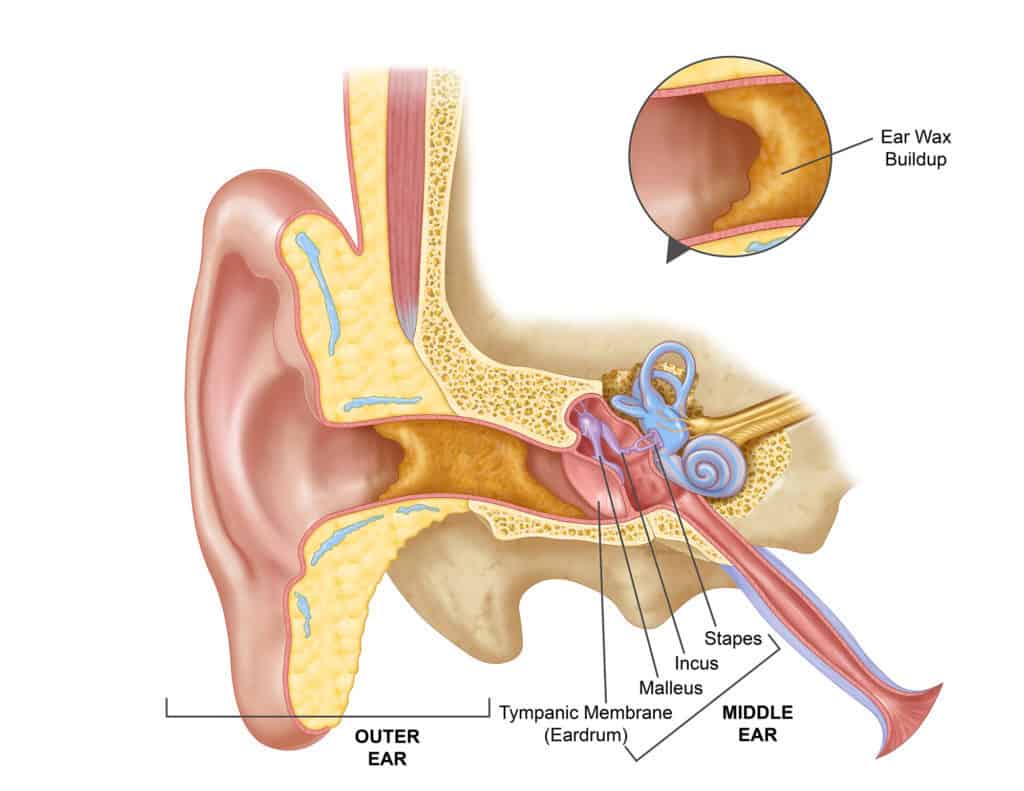 [/column][/row]
Why Does Earwax Have a Distinct Smell?
It plays a functional role in ear protection. The scent, often described as slightly musty or cheesy, comes from volatile compounds produced by the glands and the breakdown of trapped bacteria. This smell acts as a natural repellent for insects and other small creatures that might otherwise crawl into the ear canal.
Beyond bug repulsion, the smell can also indicate the age or composition of the wax. Fresher wax tends to have a milder scent, while older, oxidized wax might smell stronger due to accumulated bacteria. If the odor becomes unusually foul or is accompanied by discharge, it could signal an infection, so monitoring changes is key to ear health.
Are There Variations in Earwax Types?
Yes, it comes in two main genetic
- Wet Cerumen: More prevalent among people of European and African descent. It’s often darker and more odorous, providing robust protection
- Dry Cerumen: Common in individuals of Asian, Native American, and Pacific Islander heritage. This type is lighter in color and less sticky, which might be an adaptation to drier climates.
These variations don’t affect hearing directly but can influence how earwax builds up or is removed. For instance, wet earwax might require more frequent cleaning in some cases, while dry earwax could lead to easier flaking but potential dryness issues. Genetics play a big role, but environmental factors like humidity can
What Colors Indicate Healthy Earwax?
Healthy earwax can range in color, typically appearing in shades of light brown, though variations are normal and often harmless. The hue depends on factors like age, oxidation, and what debris it has collected. Lighter colors are common in children, while adults might notice darker tones due to prolonged exposure to air and particles.
[row class=”rowcss”][column size=”1/2″ center=”no” class=”alignself”]
- Light Brown, Orange, or Yellow: This is the hallmark of fresh, healthy earwax. It’s soft and indicates good ear canal lubrication. Children often
- Dark Brown or Black: Older earwax that has trapped more dirt, bacteria, or skin cells. It’s common in adults and usually nothing to worry about, though it can harden over time.
- Dark Brown with Red Tinges: This might suggest minor bleeding from an injury, such as a scratch in the canal. Consult a doctor if persistent.
- White or Flaky: Often linked to a genetic lack of certain odor-producing chemicals. It can also indicate drier earwax, and individuals with this type might notice less body odor overall—interestingly, this could mean
[/column] [column size=”1/2″ center=”no” class=”alignself”] [/column][/row]
Do Certain People Generate More Earwax Than Others?
Absolutely, earwax production varies widely among individuals due to genetic, lifestyle, and health factors. Some people naturally produce more cerumen, leading to quicker buildups, while others might
- Those with abundant ear canal hair, which can trap and accumulate wax.
- Individuals with recurrent ear infections, as inflammation boosts secretion.
- People with irregularly shaped ear canals or conditions like osteomas (benign bone growths).
- The elderly, who often experience drier, harder wax due to aging glands.
- Those with skin conditions like eczema or psoriasis, or
Managing excess production involves gentle hygiene practices and regular check-ups with an audiologist. Avoiding irritants like loud noises or allergens can also help regulate output.
Why Should You Avoid Using Cotton Swabs Like Q-Tips for Ear Cleaning?
Inserting cotton swabs, such as Q-Tips, into your ears is a common but risky habit that can lead to serious complications. Rather than removing wax, they often push it deeper, causing impaction—a blockage that muffles hearing and invites infections. More alarmingly, swabs can puncture the eardrum,
Other potential dangers include abrasions to the delicate ear canal skin, which can bleed or become infected, and the introduction of bacteria from the swab itself. Medical experts, including those from the American Academy of Otolaryngology, strongly advise against this practice.
Instead, opt for safer alternatives like over-the-counter ear drops to soften wax, or professional irrigation by a healthcare provider. For everyday care, simply wipe the outer ear with a soft cloth after showering to let natural migration do the
Is Ear Candling a Safe Option for Wax Removal?
Ear candling, a popular alternative remedy involving a hollow candle placed in the ear and lit, is not only ineffective but highly dangerous. Proponents claim it creates a vacuum to draw out wax, but scientific studies debunk this, showing no real removal occurs—instead, candle residue often ends up in the ear.
Risks include burns to the ear or face, candle wax dripping into the canal causing further blockages, and even eardrum perforations.
Can Excessive Earwax Harm Hearing Aids?
Yes
[row class=”rowcss”][column size=”1/2″ center=”no” class=”alignself”]
Excessive earwax can indeed affect the performance of hearing aids. This is why professionally fitted hearing aids are equipped with wax guards to prevent earwax from building up inside the device. These guards require regular replacement, typically every month, to ensure optimal functionality.
To maintain your hearing aids and prevent earwax accumulation, daily cleaning is essential. Always use a professional cleaning kit designed specifically for your hearing aids, which typically includes tools like a wax pick or wire loop for safely removing wax and debris. Avoid using household items, as they may damage the device.
By following these care practices, you can protect your hearing aids from earwax-related issues and ensure they perform effectively.
[/column] [column size=”1/2″ center=”no” class=”alignself”] [/column][/row]
Does diabetes affect earwax?
Diabetes can subtly alter earwax properties, making ears more vulnerable. According to guidelines from the American Academy of Family Physicians, diabetic individuals often have less acidic earwax, reducing its antimicrobial effectiveness. This pH shift allows bacteria and fungi to thrive, increasing infection risks like otitis externa (swimmer’s ear).
What Should You Do About Impacted Earwax?
Home remedies include using softening drops from a pharmacy, followed by gentle flushing with a bulb syringe. However, if symptoms persist, seek professional help—an audiologist or ENT can safely remove it via suction or curettage. Preventing impaction involves avoiding cotton swabs and managing underlying factors like excessive production.
conclusion
Earwax is a remarkable protector of our hearing system. By understanding its functions, variations, and safe handling, you can avoid common pitfalls and maintain excellent ear health. If you have persistent issues, always consult a qualified healthcare professional for personalized advice.