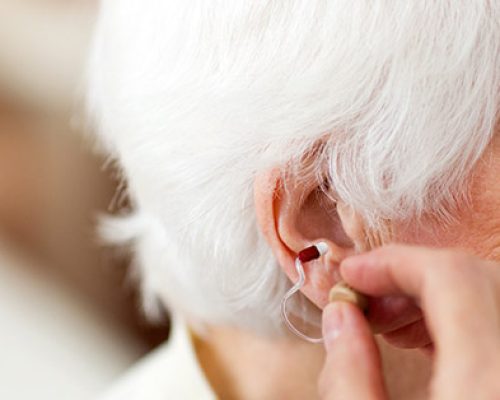
What are behind-the-ear hearing aids?
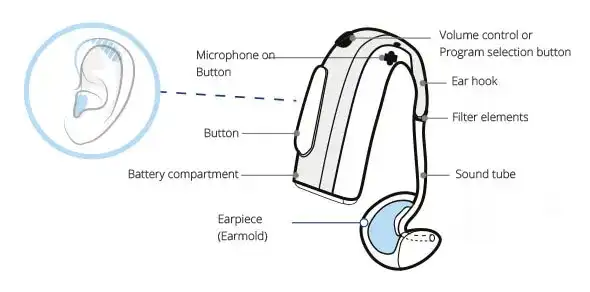
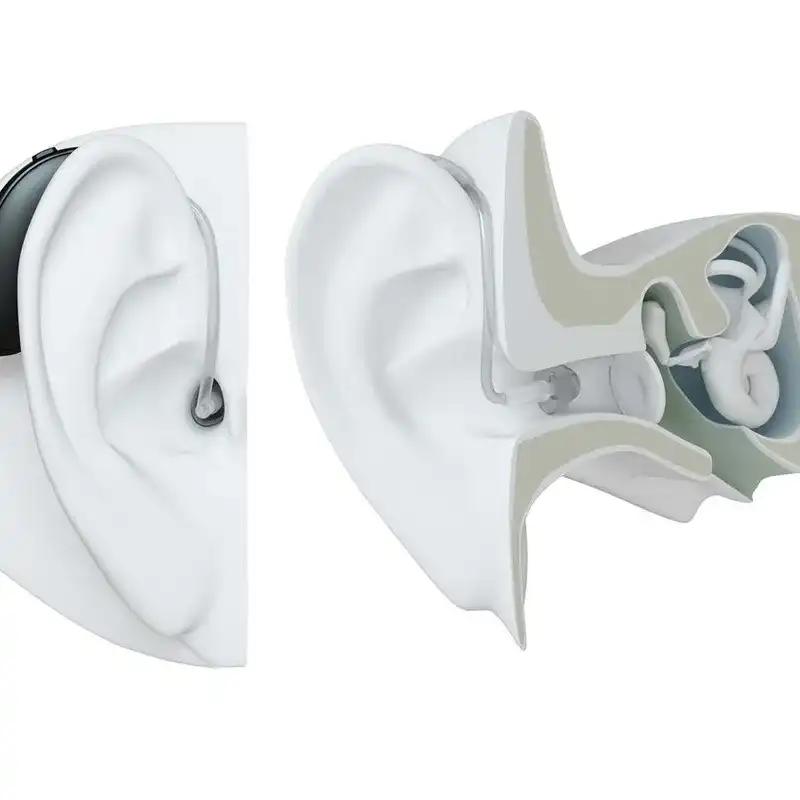
Behind-the-ear hearing aids feature a primary component that rests behind the ear. A subtle, transparent tube connects this component to a custom ear mold or soft dome, which is gently inserted into the ear canal for optimal sound delivery.
Behind-the-ear hearing aid styles
How BTE hearing aids work
The microphone in a behind-the-ear hearing aid, located inside a housing behind the ear, captures sound waves and converts them into electrical impulses. These impulses are processed by an internal chip to optimize the audio.
The processed signal is then sent to an amplifier, which amplifies the sound. This enhanced sound is then transmitted through a thin plastic tube and custom-made earpiece, delivering clear sound directly to your ear canal.
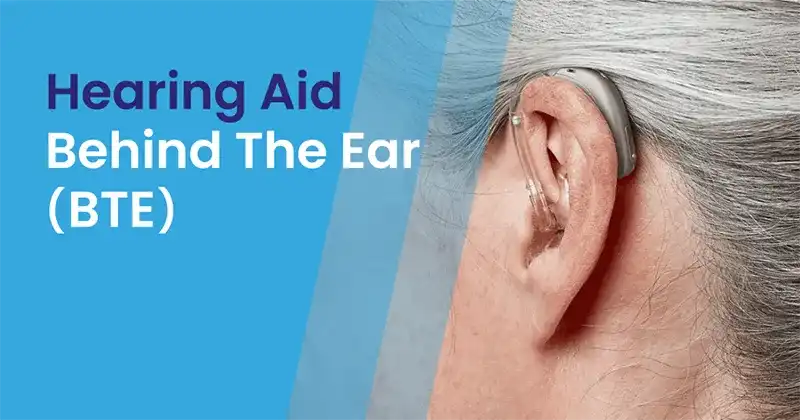
Behind-the-Ear (BTE) Hearing Aid Features
- Bluetooth® connectivity for seamless integration with smart devices
- Available for all levels of hearing loss
- Accommodates a wide range of ear shapes and ear canal sizes
- Roomy design accommodates advanced technology features
- Easy-to-use telecoil, volume, and program settings controls
- Larger battery capacity ensures longer battery life
Advantages and Disadvantages of Behind-the-Ear Hearing Aids
Discover key insights into behind-the-ear (BTE) hearing devices.
| Advantages | Disadvantages |
|---|---|
Comfortable These models rest outside the inner ear passage, making them feel more at ease for certain individuals. | Higher Visibility Positioned over the ear, they tend to stand out more compared to compact in-ear versions. |
Rechargeable batteries Options include single-use or refillable power sources for convenience. | Susceptible to Breeze Sounds Their external setup can capture air currents more easily, though modern features help mitigate this. |
Bluetooth® connectivity They link seamlessly to gadgets via Bluetooth technology. | |
Effective for Advanced Impairment Designed to handle significant auditory challenges better than some alternatives. | |
Extended Usage Time Larger power cells enable prolonged operation without frequent changes. | |
| Simple Maintenance |
Components of a Behind-the-Ear Hearing Aid
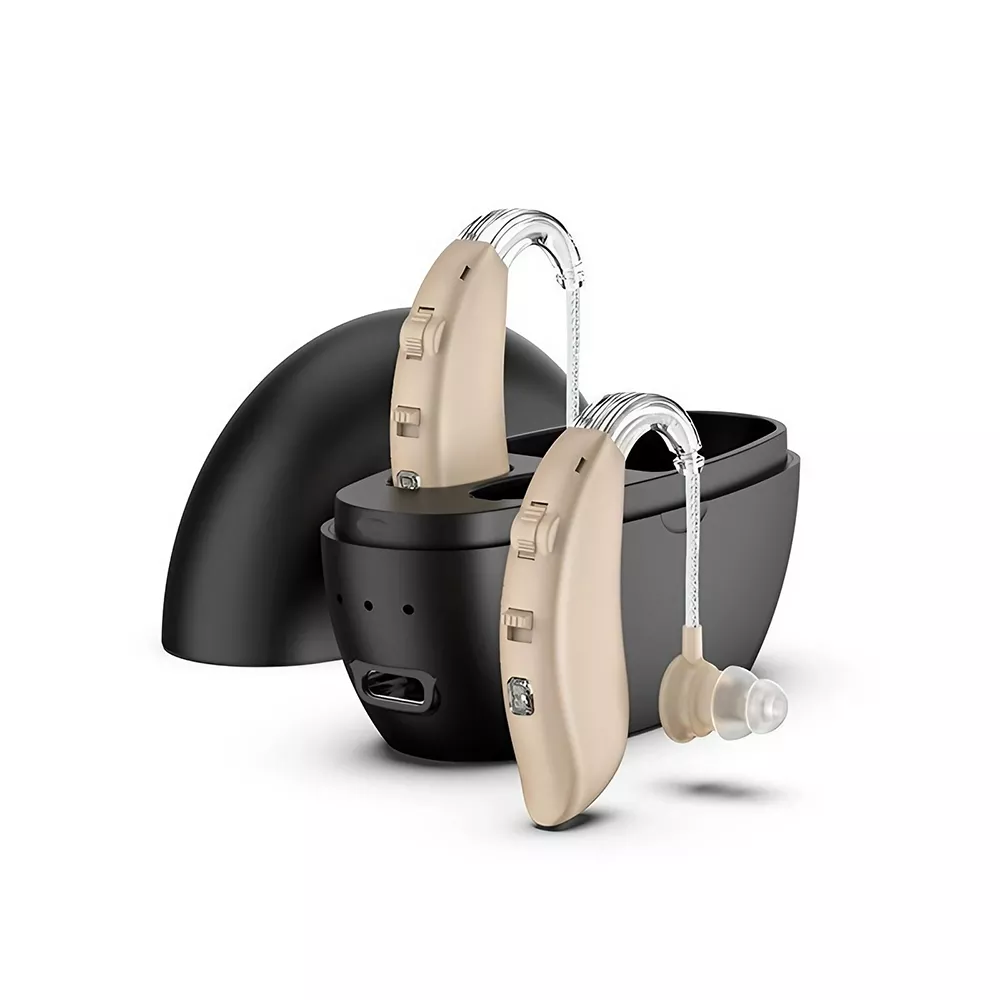
A behind-the-ear (BTE) hearing aid is designed with three primary parts, each contributing to its functionality and comfort.
Main Body of the BTE Hearing Aid
The core housing of the BTE hearing aid rests discreetly behind the ear. This component contains essential electronics, including the battery, control buttons for adjusting volume or settings, and key internal parts like the microphone, amplifier, processing chip, and speaker (receiver).
Earpiece of the BTE Hearing Aid
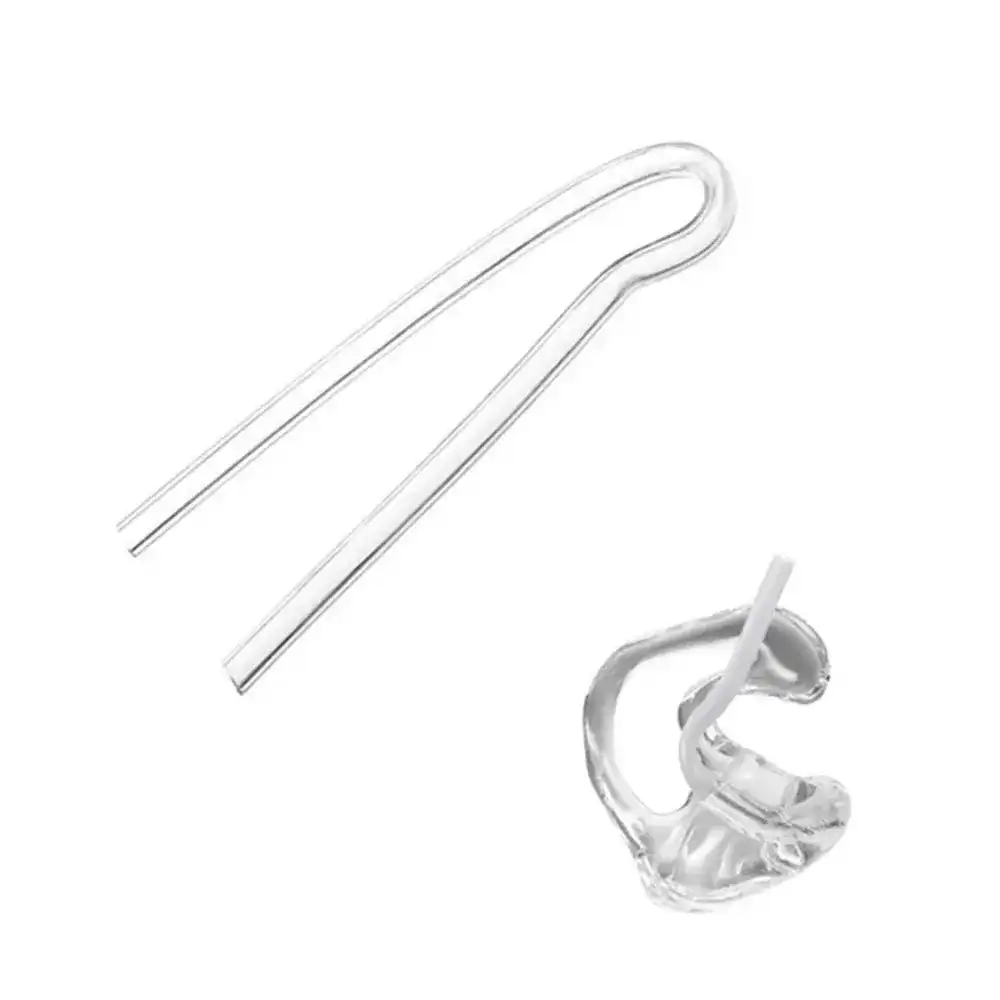
The earpiece, which fits inside the ear, can be either a custom-crafted earmold or a ready-to-use dome. A custom earmold is created by a hearing specialist who takes an impression of your ear to ensure a precise fit tailored to your unique ear shape. Alternatively, instant-fit domes are soft, pre-sized options available in various shapes to suit different ear anatomies.
Connecting Tube of the BTE Hearing Aid
A slender plastic tube links the main body of the BTE hearing aid to the earpiece. Available in different lengths and diameters, this tube is selected to match your ear’s structure and the specific hearing aid model, ensuring a secure and comfortable connection.
FAQs about behind-the-ear hearing aids
Behind-the-ear (BTE) hearing aids are popular devices that help improve sound clarity for people with hearing challenges. We address key inquiries based on expert insights from audiologists and reliable health resources.
What is the typical price range for BTE hearing devices?
Prices for BTE hearing aids vary depending on features and whether they are over-the-counter or prescription models.
Entry-level options start around $300 to $800 per pair, while advanced versions can reach $2,000 to $8,000.
Factors like brand and technology influence the final cost.
Are there options for testing BTE aids without commitment?
Many providers offer trial periods for BTE devices, ranging from 30 to 100 days. This allows users to evaluate fit and performance at home, often with full refunds if unsatisfied.
Comparing BTE and ITE hearing solutions
BTE aids sit outside the ear for better power and features, ideal for severe loss, but may be more visible.
ITE models fit inside for subtlety, though they often have less battery life and amplification strength.
Is it possible to use BTE aids alongside eyeglasses?
Yes, BTE hearing aids can be worn comfortably with glasses. Position glasses first, then place the aid outside the temple arms. Slim frames help minimize any discomfort.
What is the operating principle of BTE hearing aids?
BTE aids capture environmental sounds via a microphone behind the ear, process them electronically, and deliver amplified audio through a tube or wire to an earpiece in the canal.